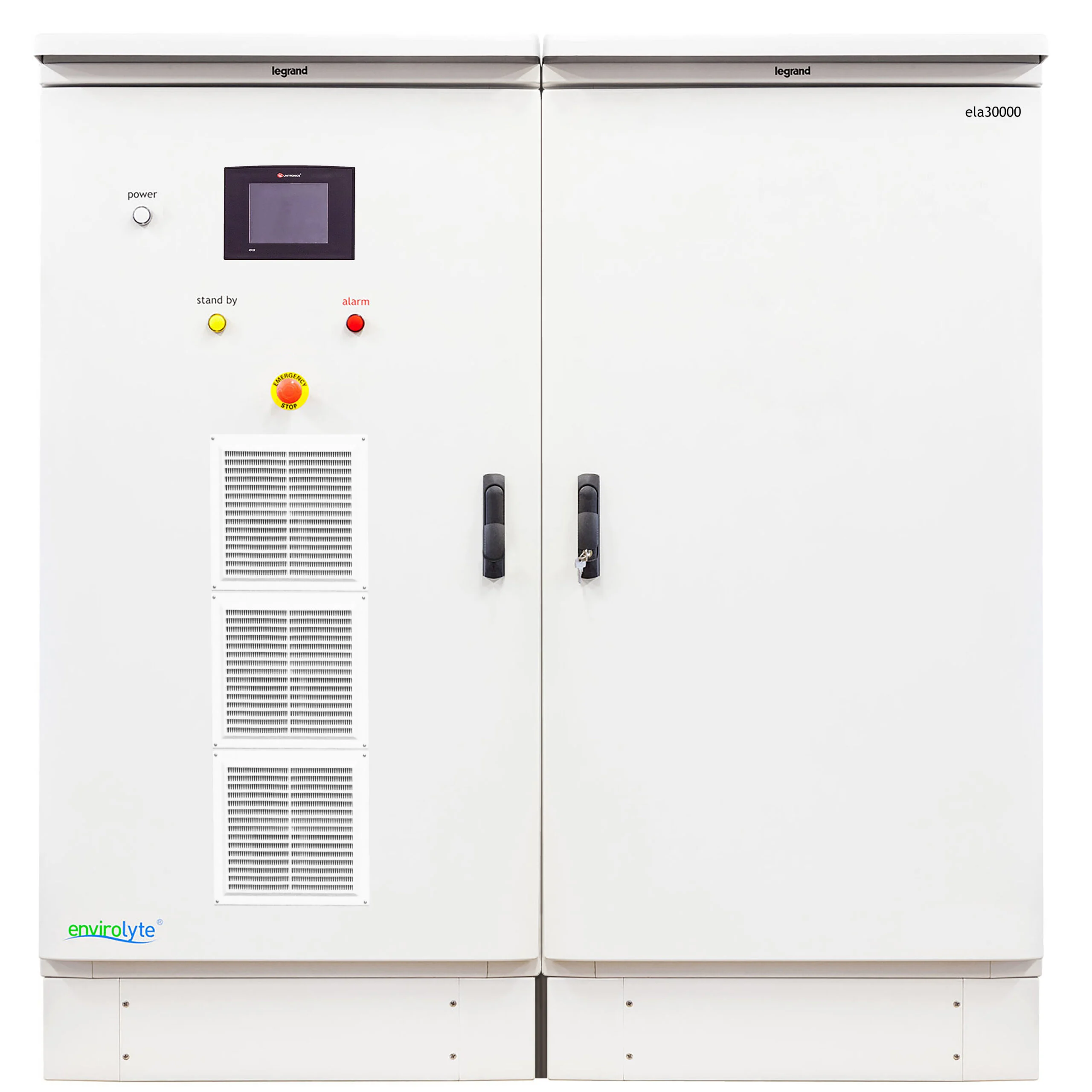
Envirolyte ELA anolyte generators are on-site hypochlorous acid generator systems designed to produce HOCl-rich anolyte from salt, water and electricity. The systems generate disinfectant solution on demand for water disinfection, process hygiene, sanitation and industrial microbial control applications.
Each ELA generator uses a double-chamber flow-through electrolyzer to keep the anode and cathode streams separated while allowing controlled electrochemical reactions. This makes it possible to produce an acidic oxidizing anolyte solution and, where required, an alkaline catholyte stream for selected washing, degreasing and process-support applications.
ELA systems are suitable for projects where facilities need reliable on-site disinfectant generation, reduced chemical handling, controlled dosing and flexible integration with tanks, pumps, ORP/FAC monitoring and existing water treatment or sanitation processes.
For other solution parameters, production capacities and application requirements, compare Envirolyte anolyte and catholyte generator families.
On-Site Disinfection, Sanitation and Water Purification
Envirolyte ELA systems generate hypochlorous acid solutions in a double-chamber flow-through electrolyzer, on site and on demand, at application-specific concentrations. The production process requires only water, salt and electricity, helping operators reduce dependence on transported disinfectant chemicals and supporting safer, more controlled disinfection workflows.
For related technical background, see electrochemical activation and electrolyzed water technology, diaphragmatic electrolysis cells and electrolyzed water solutions.
How ELA Anolyte Generators Work
Feed solution
A dilute brine solution, NaCl in water, is pumped continuously through the system. The flow-through design helps stabilize concentration, temperature and residence time, improving production consistency and allowing scalable operation.
Electrolyzer structure
The electrolysis cell has two chambers separated by an ion-exchange membrane: an anode chamber with the positive electrode and a cathode chamber with the negative electrode. The membrane helps prevent uncontrolled mixing of acidic and alkaline streams.
| Stage | Reaction or function | Result |
|---|---|---|
| Anode reaction | Chloride ions are oxidized: 2Cl− → Cl2 + 2e− | Chlorine is formed in the anode chamber. |
| HOCl formation | Cl2 + H2O ↔ HOCl + H+ + Cl− | Hypochlorous acid is formed in the anolyte stream. |
| Cathode reaction | 2H2O + 2e− → H2 + 2OH− | An alkaline catholyte stream is produced. |
| Stream separation | The membrane separates the acidic anode stream and alkaline cathode stream. | The anolyte becomes rich in HOCl, while the catholyte contains alkaline components such as NaOH formed from Na+ and OH−. |
Characteristics of the Generated HOCl Solution
- HOCl-rich anolyte is a strong oxidizing disinfectant solution for approved water treatment, sanitation and hygiene applications.
- The optimal pH range for HOCl dominance is approximately 5–6.5, where hypochlorous acid is favored over hypochlorite ion OCl−.
- Compared with many conventional chlorine-based products, generated anolyte can support lower odor and safer on-site chemical handling when used according to project requirements.
- System configuration should always be matched to water quality, target microorganisms, required FAC concentration, contact time, dosing method and applicable local regulations.
Optional NaOH Production and pH Regulation
The cathode stream naturally produces alkaline catholyte. Depending on system configuration and project requirements, this stream can be collected separately as a by-product. The alkaline stream, typically around pH 10–13, may be used in selected washing, degreasing or process-support applications where technically and legally suitable. A double-chamber flow electrolyzer can therefore produce two useful streams: HOCl-rich anolyte in the anode stream and alkaline catholyte in the cathode stream. Controlled pH tuning allows operators to balance disinfection strength, solution stability and application requirements.Control Systems and Reliability
Each ELA system includes proprietary electrolysis cells, software and control systems within a standard or custom-designed unit. These control systems help keep the concentration of hypochlorous acid consistent and reliable within defined specification tolerances. ELA systems can be remotely monitored and include internal controls to help ensure that only effective solution is available for use. The control system is simple to operate and can be adjusted for different applications, operating conditions and integration requirements.Key Features and General Specifications
- Simple control system that can be adjusted for different applications and site conditions.
- Flow controller in the hydraulic section to shut down the Envirolyte unit when water supply is interrupted and restart it when flow resumes.
- Non-corrosive enclosure materials with EPDM/PVDF tubes and connectors resistant to aggressive solutions.
- Input and output connectors positioned on the sides of the unit to support practical installation and wall mounting where applicable.
- Manual start and stop via a simple on/off switch with power indicator.
- Level switches for automatic start and stop operation.
- Built-in alarm with the option for remote alarm connection.
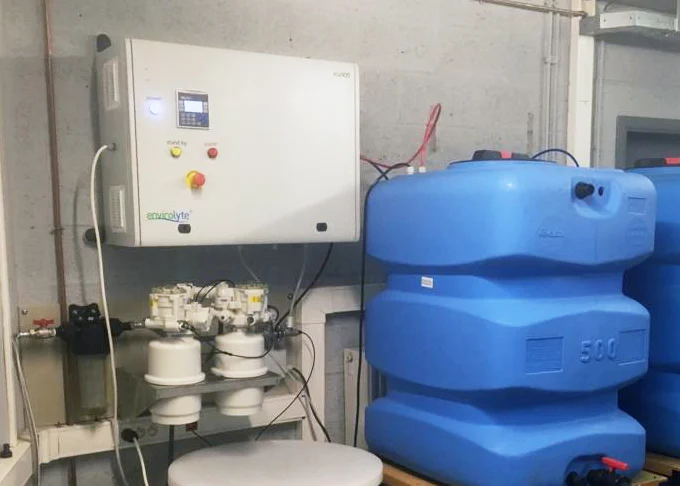
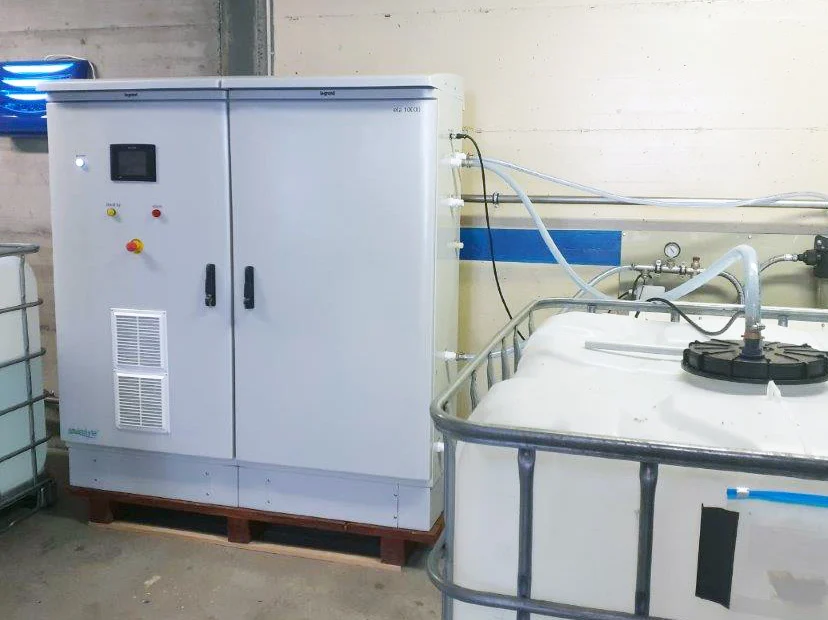
ELA Generator Installations
Unique Design for a Wide Range of Markets
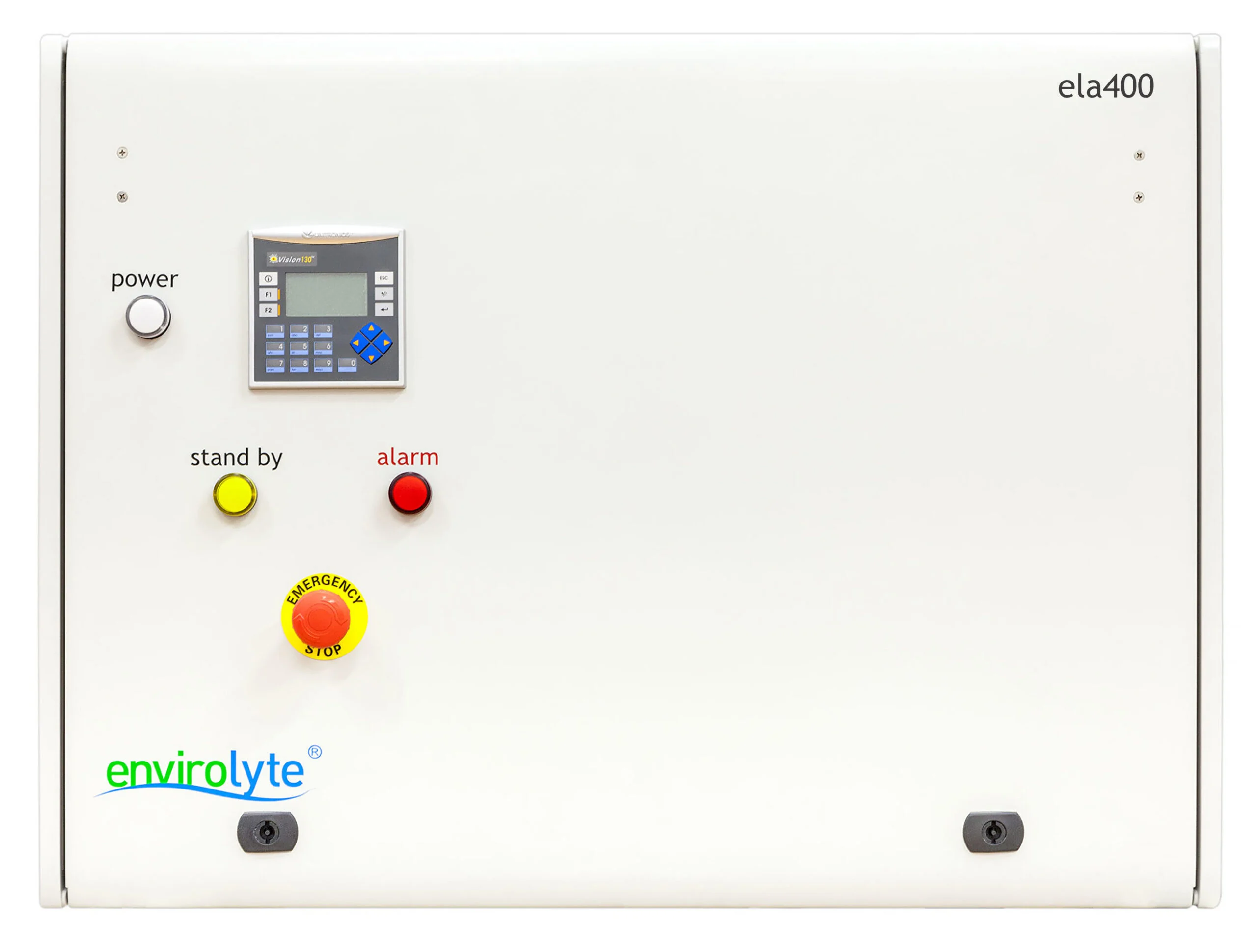
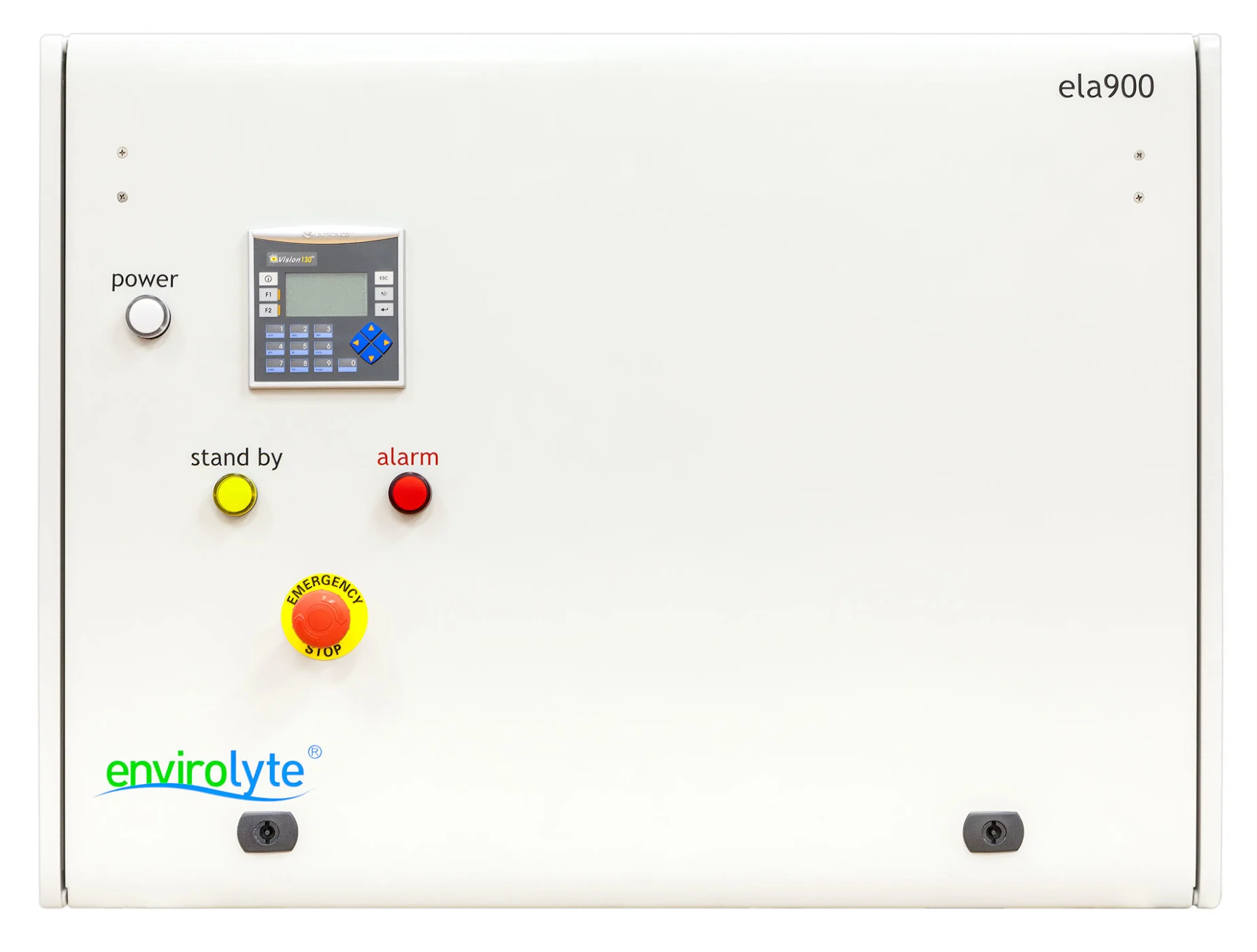
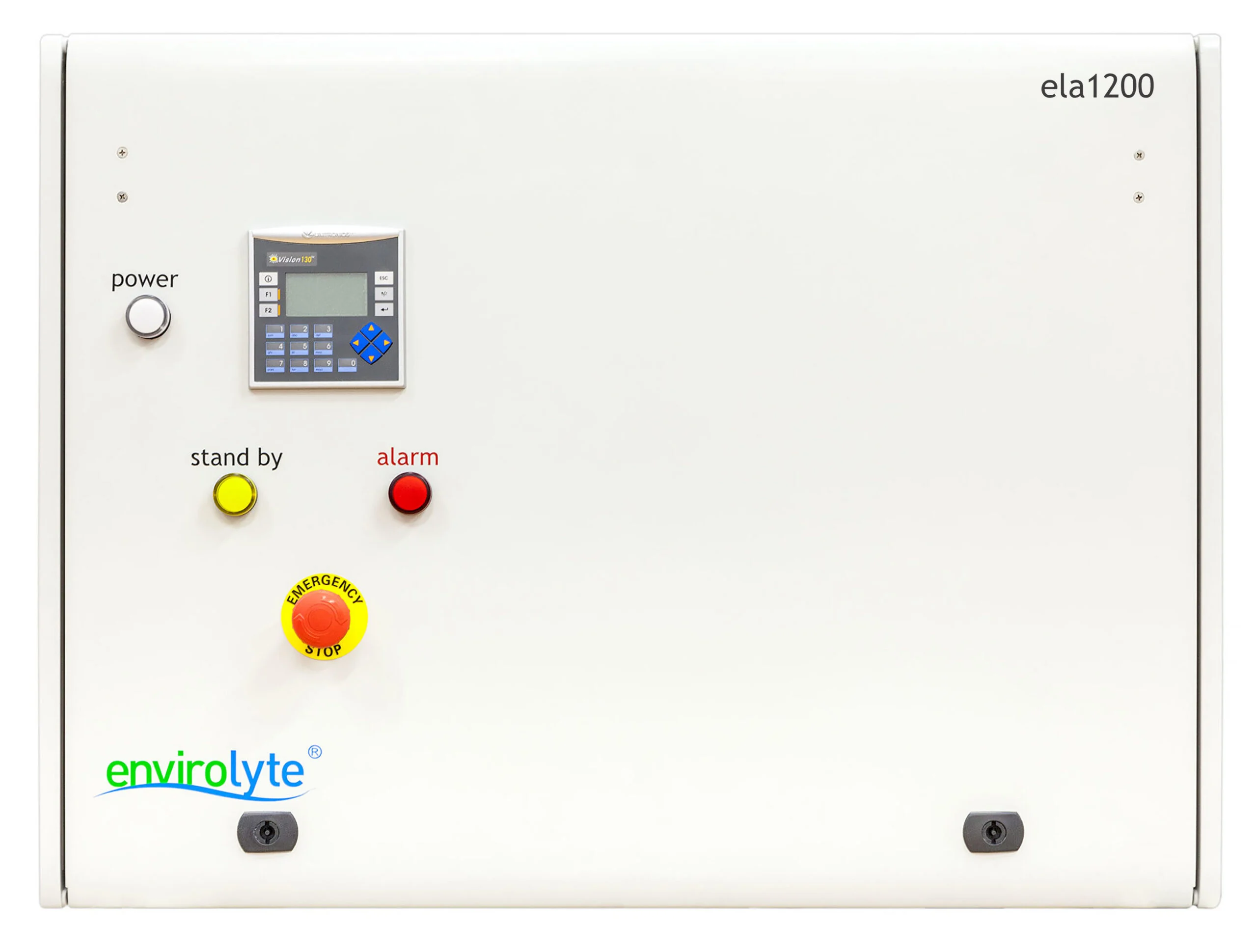
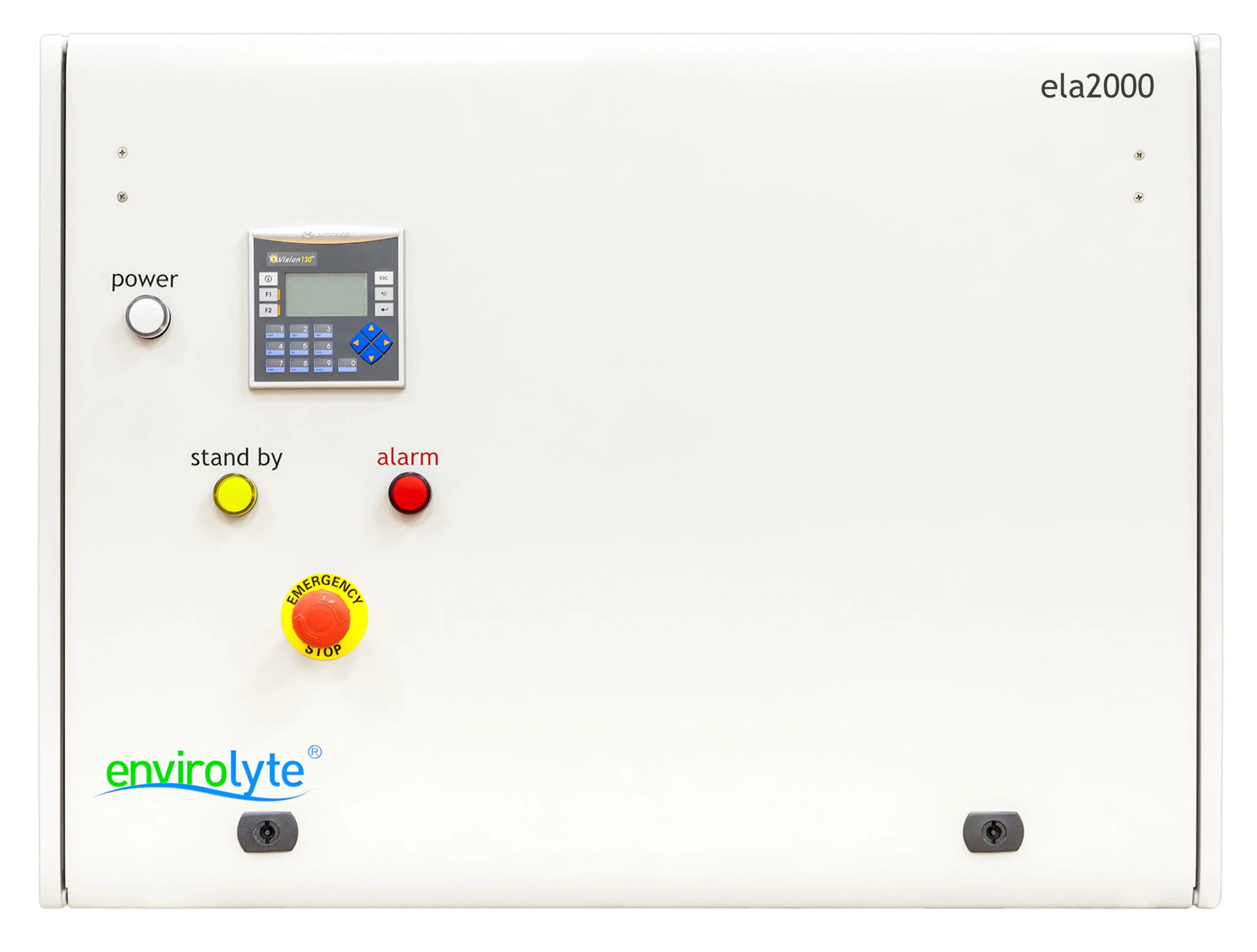
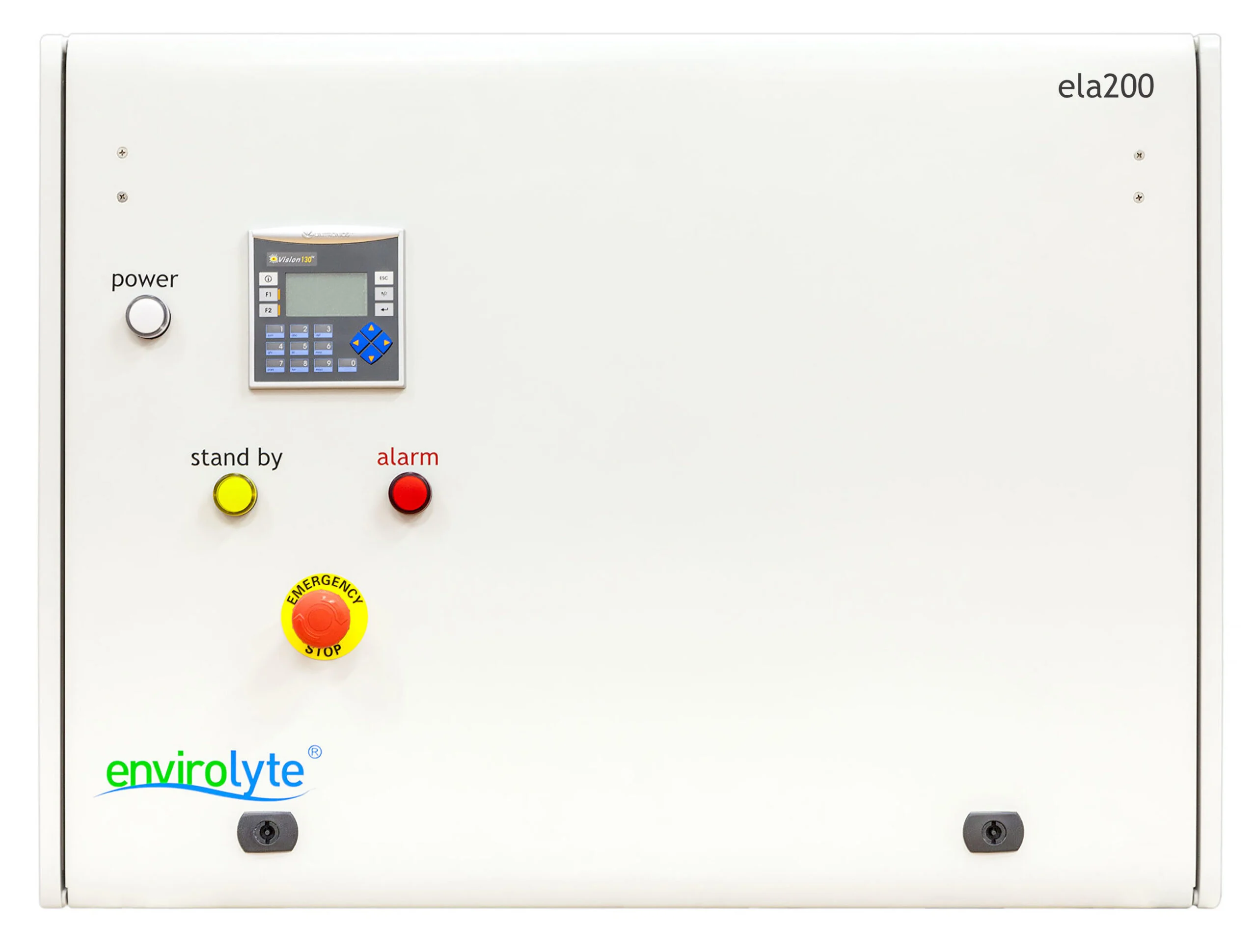
ELA anolyte generators are available as wall-mounted and floor-standing systems. The model range supports compact on-site disinfection tasks as well as larger industrial and water treatment projects where continuous or higher-volume generation is required.| Configuration | Models | Typical selection logic |
|---|---|---|
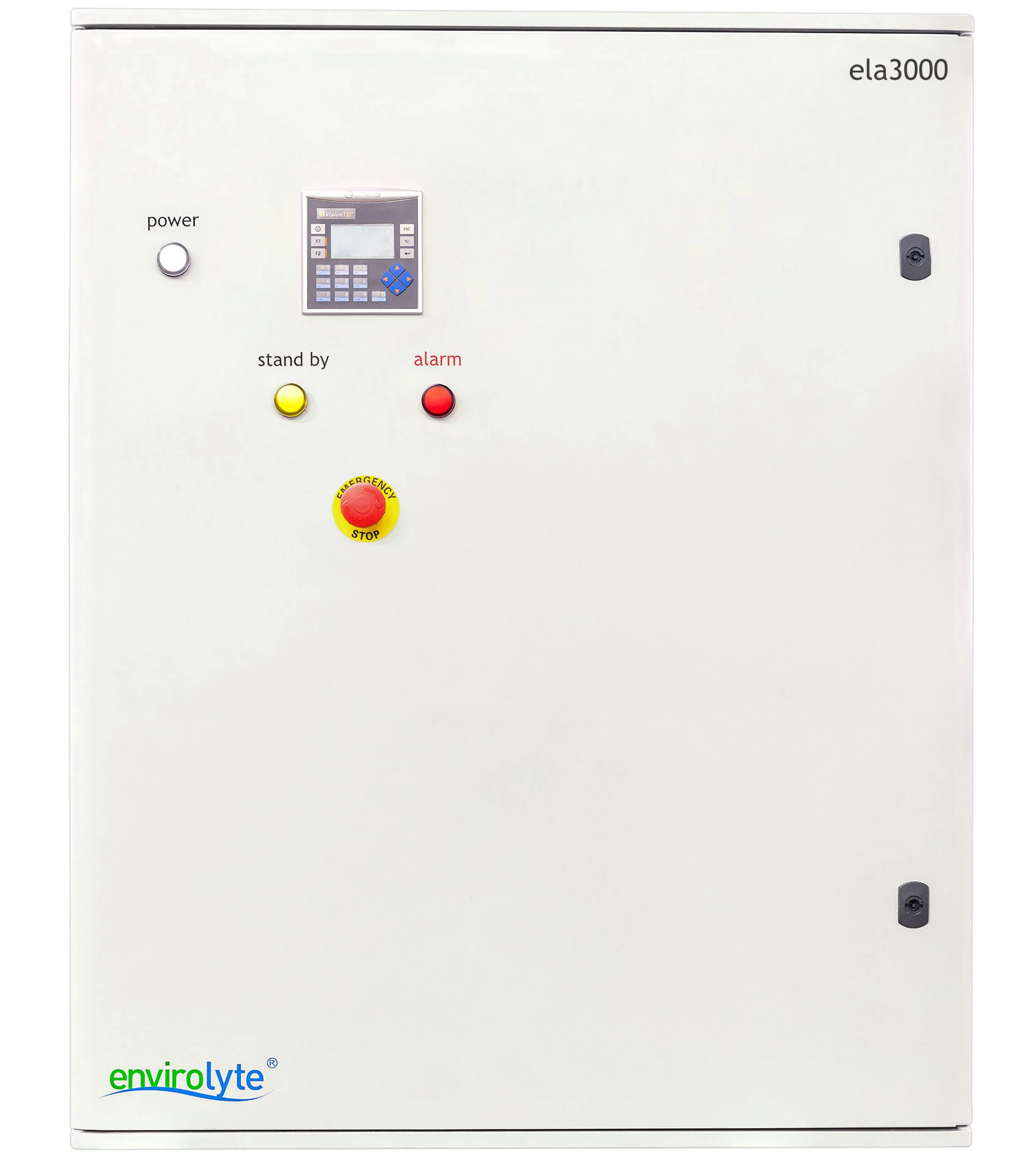
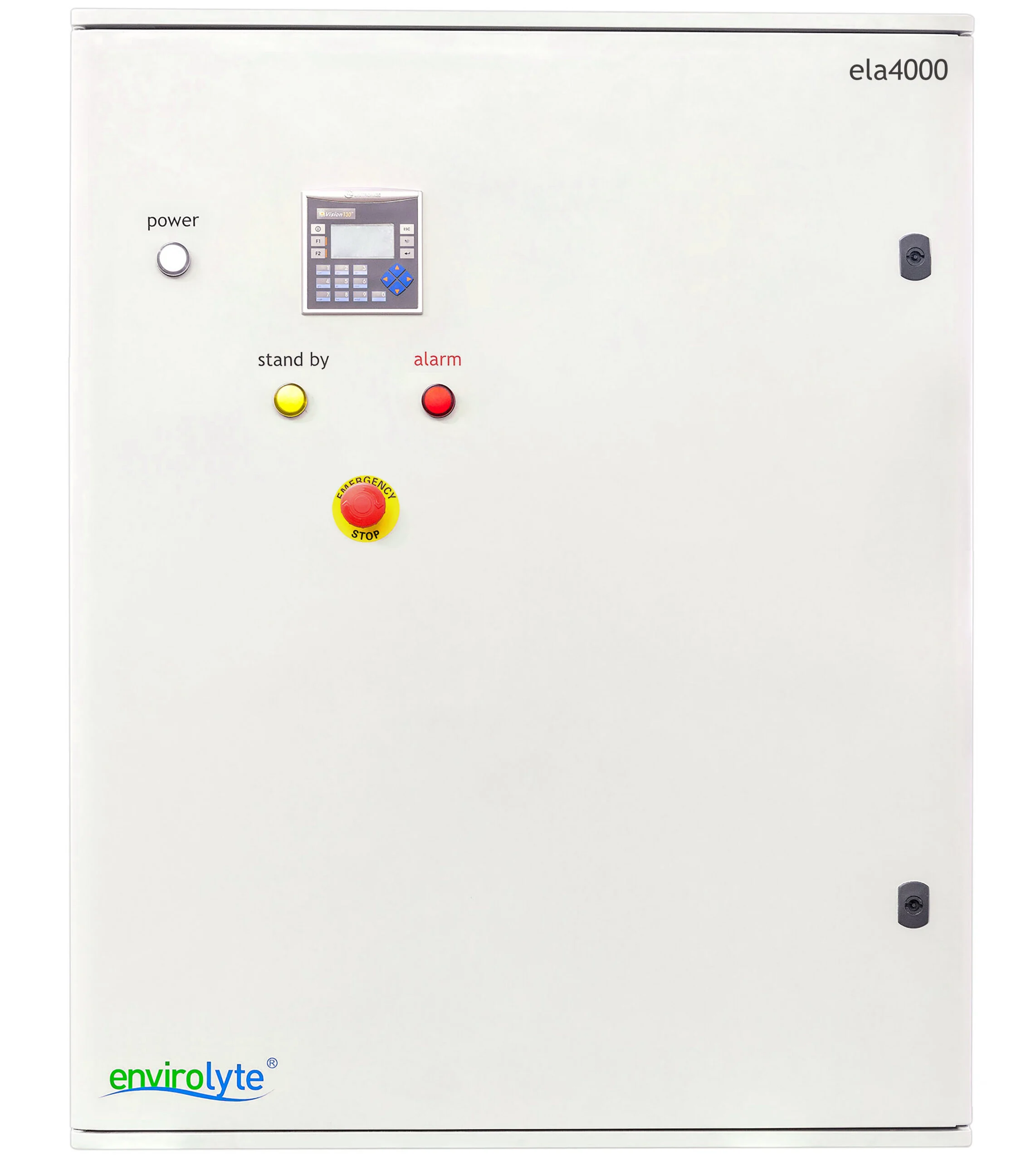
| Wall-mounted generators | ela200, ela400, ela900, ela1200, ela2000, ela3000, ela4000 | Compact projects, local dosing points, smaller equipment rooms and applications where wall mounting is preferred. |
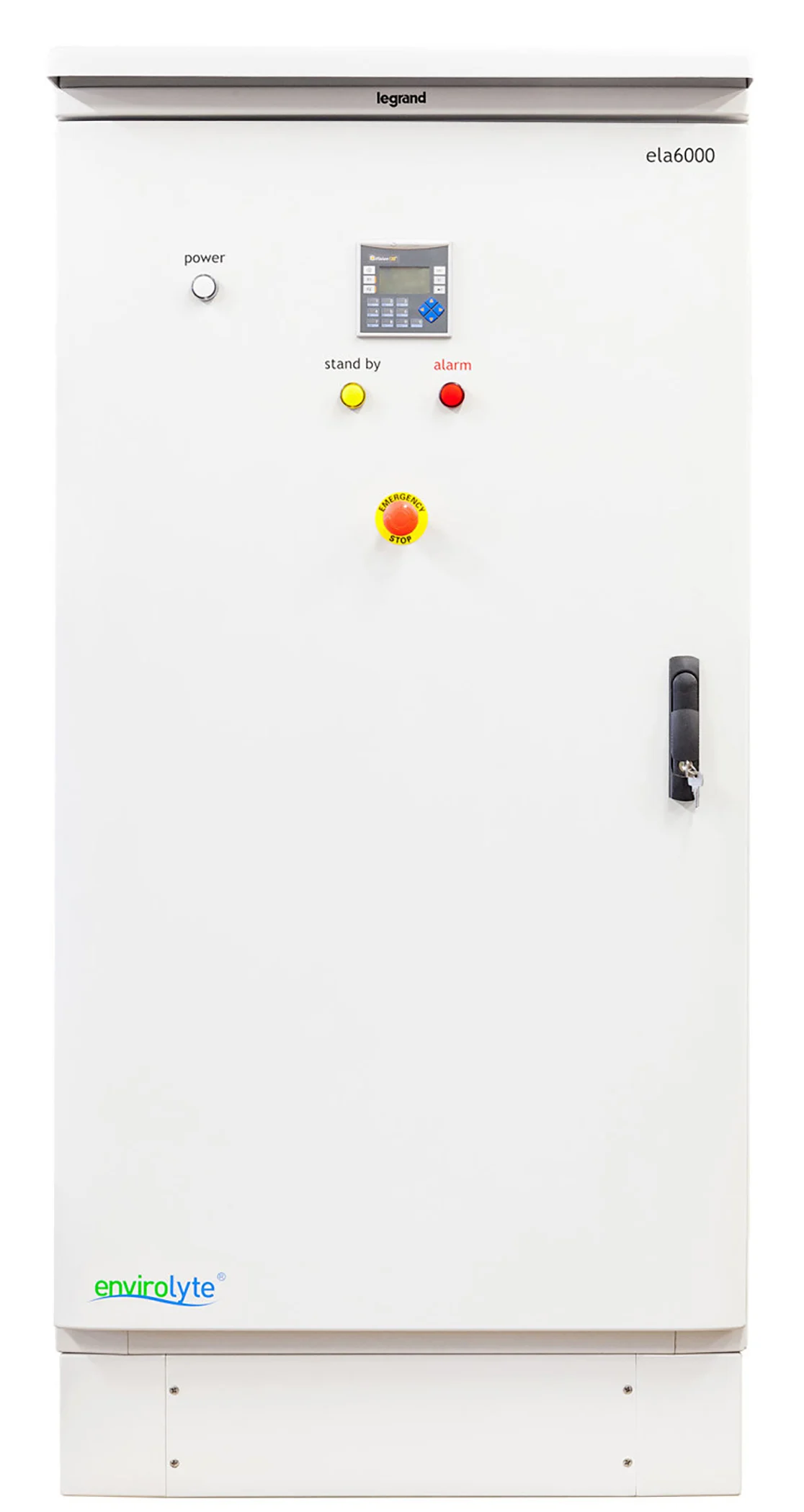
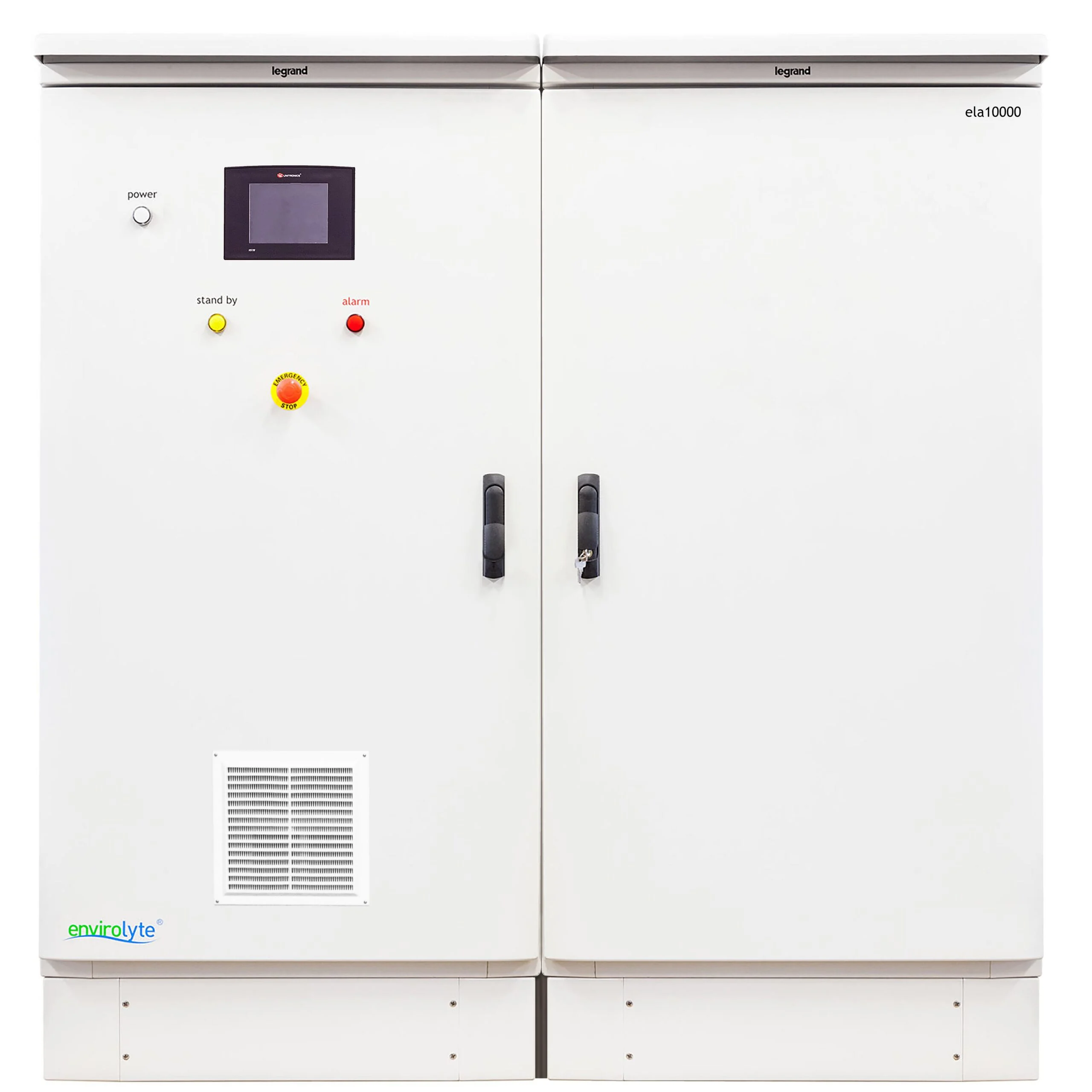
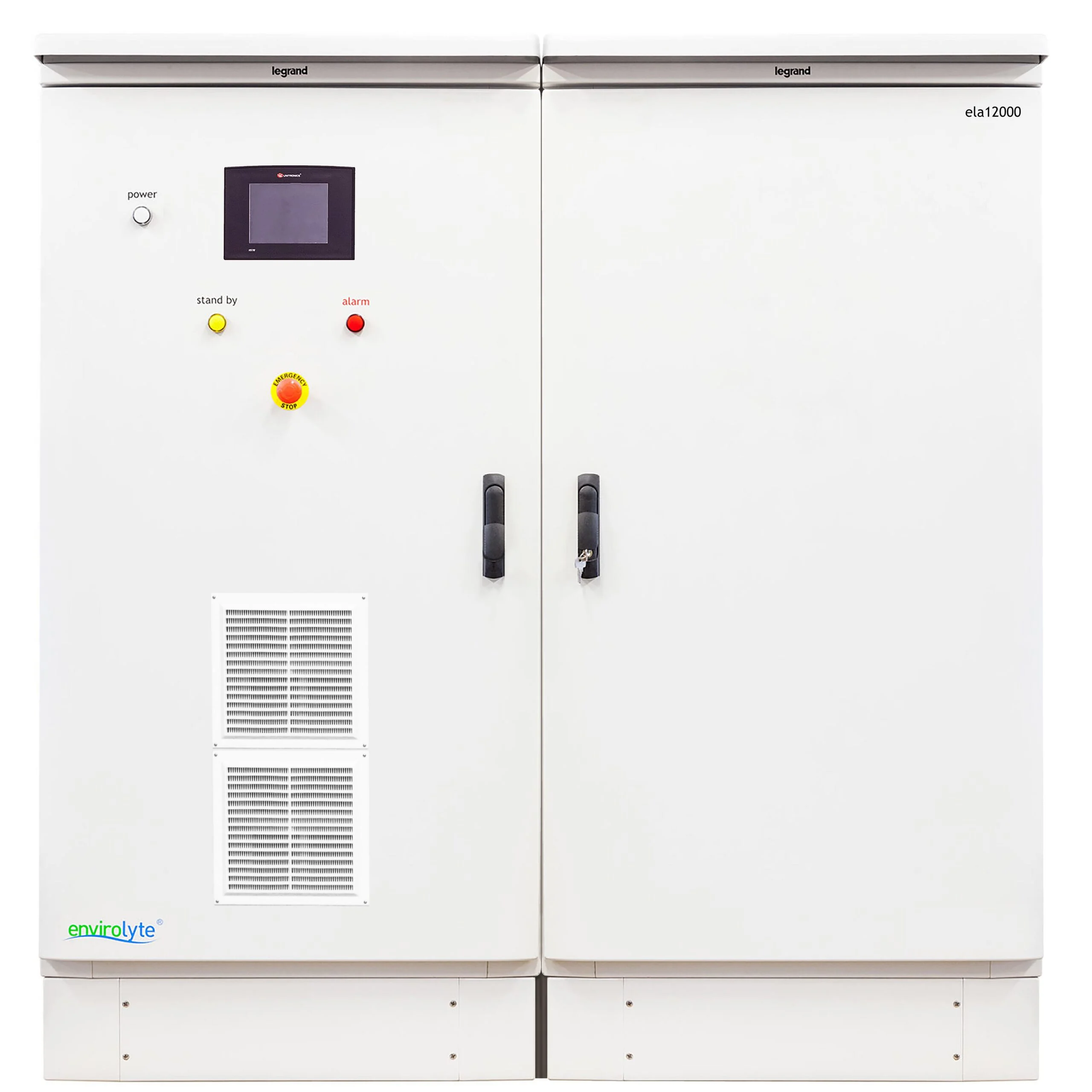
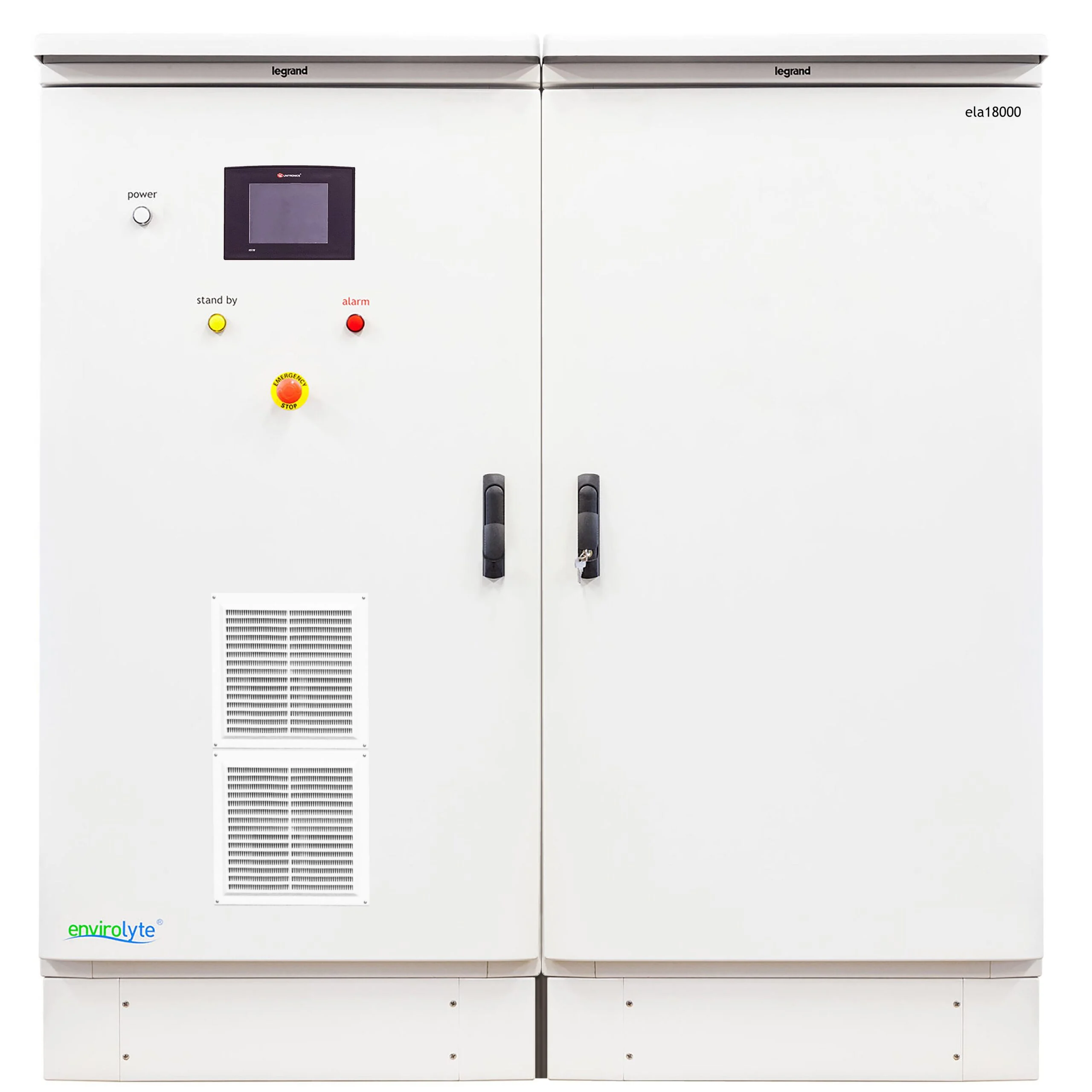
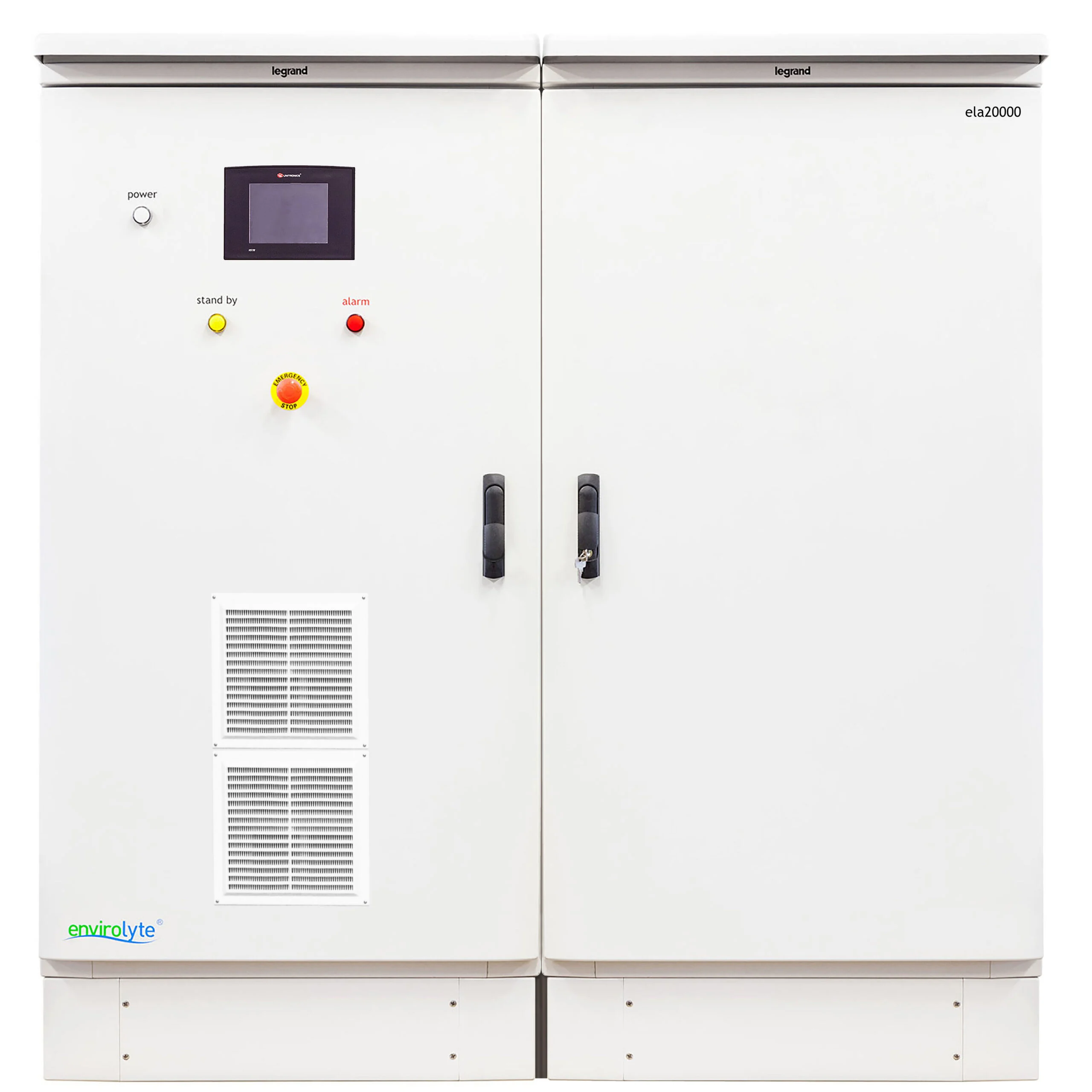
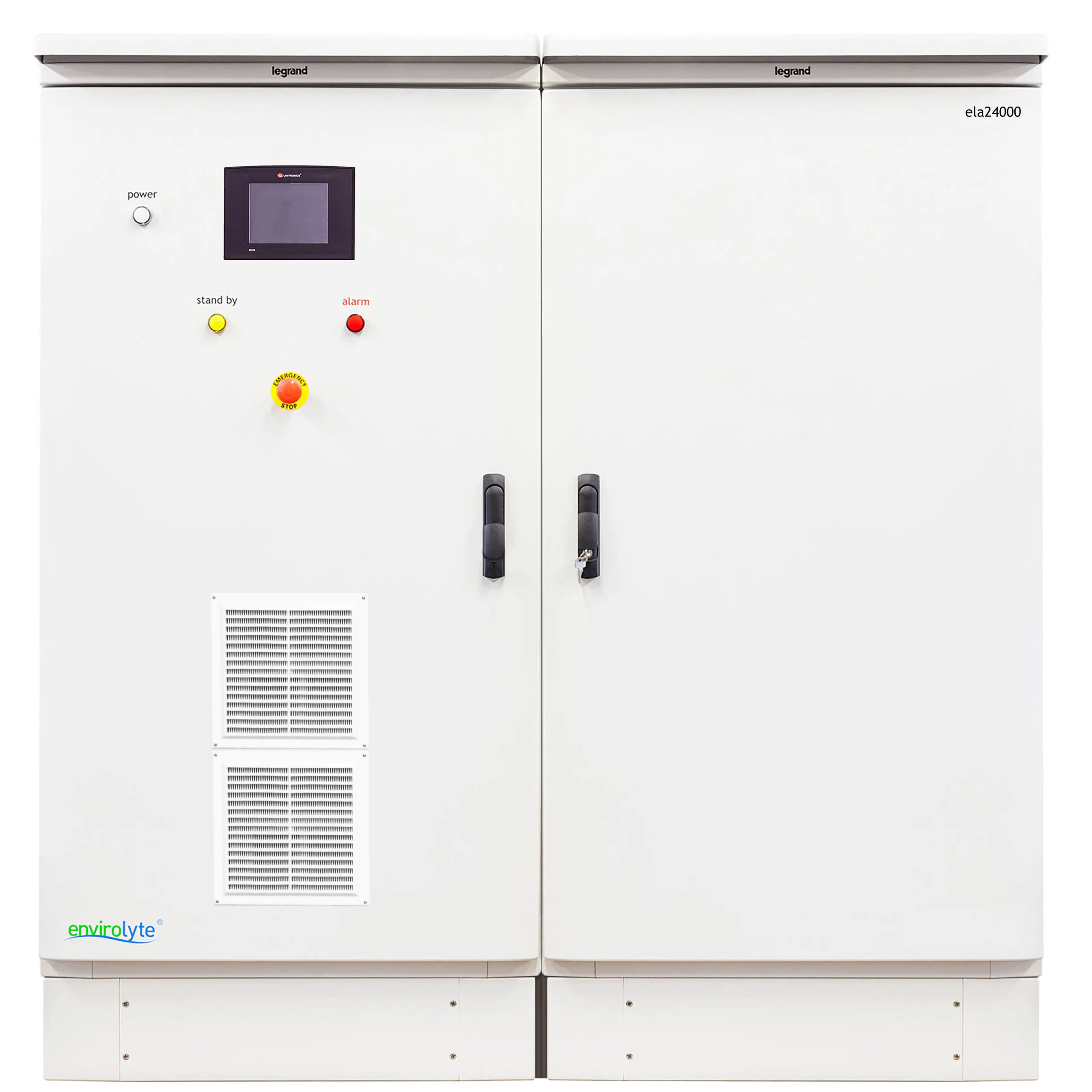
| Floor-standing generators | ela6000, ela10000, ela12000, ela18000, ela20000, ela24000, ela30000 | Larger projects, higher daily demand, centralized production, industrial water treatment and process hygiene installations. |
Wall-Mounted ELA Generators
ela3000
ela4000
Floor-Standing ELA Generators
ela6000
ela10000
ela12000
ela18000
ela20000
ela24000
ela30000
Typical Applications for ELA Anolyte Generators
ELA generators can be evaluated for a wide range of water treatment and hygiene applications. Final system selection depends on flow rate, water quality, required FAC concentration, contact time, dosing point, monitoring method, installation conditions and local regulatory requirements.
| Application area | Typical requirement | Recommended internal page |
|---|---|---|
| Drinking and process water | Controlled microbial reduction in water systems, tanks, distribution loops and process water lines. | Water disinfection systems |
| Legionella risk management | Continuous or controlled dosing in hot and cold water systems as part of a site-specific control programme. | Legionella prevention applications |
| Food processing sanitation | Hygiene support for surfaces, conveyors, pipelines, tanks and selected CIP workflows. | Food processing sanitation |
| Cooling towers | Biofilm, algae and microbial control support in recirculating water circuits. | Cooling tower disinfection |
| Agriculture and livestock | Farm water hygiene, surface sanitation and biosecurity support. | Farming applications |
| Wastewater and treated effluent | Additional disinfection stage before discharge, reuse or polishing. | Wastewater treatment applications |
| Maritime and offshore | Compact on-board water hygiene and technical water treatment support. | Maritime and offshore applications |
Testing, Evidence and Compliance Context
For project evaluation and regulatory review, Envirolyte provides supporting information on performance testing, microbiological evidence, by-product testing and application-specific use cases. These materials help engineering teams and operators evaluate whether ELA anolyte generation is suitable for a specific water treatment or sanitation programme.
- Performance testing evidence
- Microbiological testing of anolyte
- By-products testing of anolyte
- Legionella prevention evidence
- Water disinfectant comparison
- Approvals and compliance information
Related Envirolyte Product Lines
ELA is one of several Envirolyte product groups for on-site generation of electrochemically activated solutions. For larger or more demanding projects, Envirolyte specialists may also evaluate ANW anolyte generators, HD anolyte generators or other Envirolyte product lines.
Frequently Asked Questions
An ELA anolyte generator is an Envirolyte on-site generator that produces HOCl-rich anolyte using water, salt and electricity in a double-chamber flow-through electrolyzer.
The system produces acidic oxidizing anolyte in the anode stream. Depending on configuration, the cathode stream can also produce alkaline catholyte containing sodium hydroxide components for selected washing, degreasing or process-support applications.
Anolyte is the oxidizing disinfectant stream produced in the anode chamber and is rich in hypochlorous acid under suitable pH conditions. Catholyte is the alkaline stream produced in the cathode chamber and may be used for selected cleaning or pH-support tasks where suitable.
The correct model should be selected according to water quality, required production volume, target FAC concentration, contact time, dosing method, storage volume, monitoring system, installation space and applicable regulations.
ELA generators can be evaluated for drinking and process water disinfection projects, but final use must be based on water analysis, system design, dosing control, monitoring, operator procedures and local drinking water regulations.
Request an ELA Generator Consultation
For installation details, application guidance or model selection, please send your enquiry to Envirolyte Industries International Ltd. Our engineers can help evaluate water quality, flow rate, target concentration, dosing method and the most suitable Envirolyte system configuration.