Supported by Enterprise Estonia Development program

HomeOn-Site Disinfection Applications for Water Treatment and Process HygieneVeterinary Hygiene and Livestock Biosecurity with On-Site Anolyte

Veterinary Hygiene and Livestock Biosecurity with On-Site Anolyte

Veterinary clinics, livestock farms and animal-care facilities require controlled hygiene procedures for water systems, housing, treatment rooms, transport equipment, tools and other frequently contaminated surfaces. These procedures should form part of a wider biosecurity programme designed to limit the introduction and spread of infectious agents.

Envirolyte systems generate anolyte on site from conditioned water, sodium chloride and electricity. Depending on the operating regime, anolyte may contain active chlorine species including hypochlorous acid and can be evaluated for authorised water, surface and equipment-disinfection applications. Learn more about electrochemical activation and electrolysed water technology.

Envirolyte systems support veterinary hygiene and livestock biosecurity applications. They should not be presented as veterinary medicines or as replacements for diagnosis, vaccination, prescribed treatment or professional veterinary oversight. Any direct animal application or disease-related claim requires the appropriate product authorisation, evidence and approved instructions for the country and intended use.

Veterinary Hygiene as Part of Biosecurity

Infectious agents may move through animals, people, drinking water, feed, transport crates, vehicles, tools, clothing, insects, waste and contaminated environmental surfaces. A disinfectant is therefore only one component of a coordinated biosecurity programme.

Visible manure, bedding, feed residue, soil, grease and other organic contamination should normally be removed before disinfection. A documented procedure should define cleaning, rinsing where required, solution concentration, application volume, contact time, ventilation, re-entry conditions and verification.

Anolyte performance depends on the generated solution, FAC concentration, pH, temperature, organic load, solution age, application method and contact time. A result reported under one laboratory or field condition must not be converted into a universal claim for every animal species, pathogen or veterinary facility.

Potential Veterinary Hygiene Applications

Swipe horizontally to view the full table.

Potential roles of on-site generated anolyte in veterinary and livestock hygiene
Application area Potential role Important requirements
Animal housing and environmental surfaces Disinfection of compatible floors, walls, pens, stalls and other cleaned surfaces. Removal of organic matter, defined FAC and contact time, complete coverage, material compatibility, ventilation and animal re-entry procedure.
Veterinary clinics and treatment rooms Controlled disinfection of compatible environmental surfaces and suitable non-critical equipment. Facility infection-control procedure, prior cleaning, equipment-manufacturer instructions and separation from validated instrument sterilisation.
Tools, transport crates and vehicles Sanitation of cleaned tools, boxes, cages, wheels and compatible transport surfaces. Separation of clean and dirty zones, thorough washing, corrosion review, contact time and protection from recontamination.
Animal drinking-water systems Controlled treatment of suitable source water, tanks, distribution pipes and drinking lines. Applicable drinking-water authorisation, water analysis, animal species, daily demand, dosing method, target residual, palatability and routine monitoring.
Dairy and milk-contact equipment Cleaning and disinfection of compatible pipelines, tanks, milking areas and external equipment surfaces. Food and feed area requirements, validated cleaning procedure, detergent compatibility, rinsing and verification of residues and microbiological performance.
Fogging or misting Environmental application only where supported by an authorised and validated procedure. Exposure assessment, droplet distribution, ventilation, corrosion review and exclusion of animals and personnel unless the approved instructions explicitly permit their presence.
Direct application to animals Only a specifically authorised veterinary-hygiene or veterinary-medicinal product and procedure may be used. Approved indication, target species, formulation, dose, contact time, skin compatibility, residue or withdrawal requirements and veterinary oversight.
Staff hand hygiene Only a product specifically authorised for human hand hygiene may be used. Human-hygiene product authorisation, approved concentration, application method, contact time and skin-safety instructions.

Regulatory boundary: veterinary hygiene, milk-contact equipment and drinking-water treatment may fall under different product types of the EU Biocidal Products Regulation. Claims that a product treats or prevents an animal disease may instead bring it within the scope of the EU Veterinary Medicinal Products Regulation. The applicable classification and authorisation must be confirmed for each country and intended claim.

Direct-Animal Applications and Regulatory Requirements

Claims involving clinical and subclinical mastitis, dry-cow treatment, udder oedema, teat cuts, metritis, bovine trichomoniasis, calf scours, calf pneumonia, subclinical acidosis, skin conditions and hoof disease require product-specific authorisation and supporting veterinary evidence. Claims involving anolyte dosing, sheath washing, preventive fogging and the use of catholyte as a milk-powder diluent require product-specific authorisation and supporting veterinary evidence.

These applications are listed for regulatory context only and must not be interpreted as treatment recommendations. No authorised veterinary product, approved indication, species-specific dose, clinical study, adverse-event assessment, residue data, withdrawal period or veterinary treatment protocol is provided for these applications.

Cleaning and disinfection terminology should be used for milk lines and bulk tanks. A sterilisation claim should only be used for a validated process that meets an applicable sterilisation standard.

Veterinary and Livestock Application Photographs

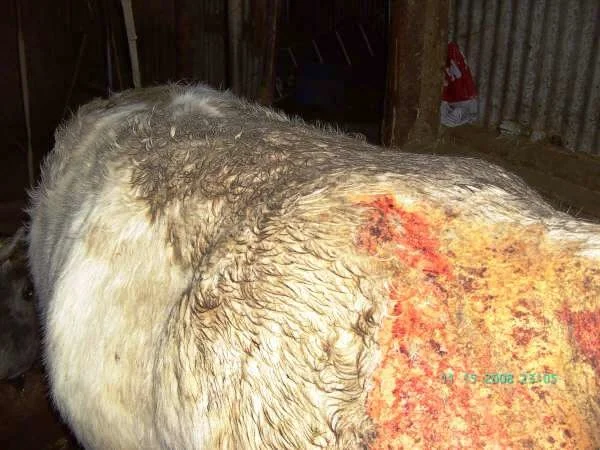
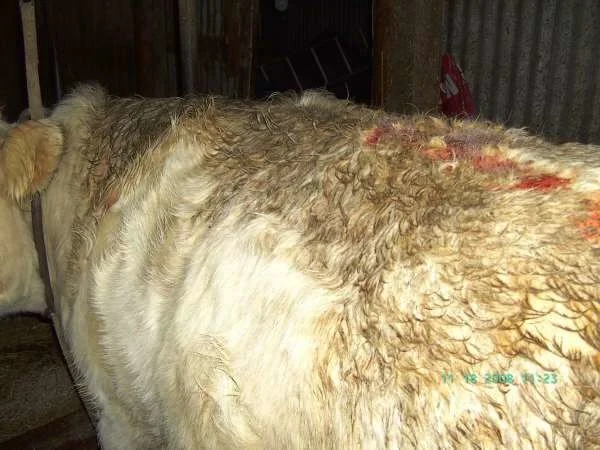
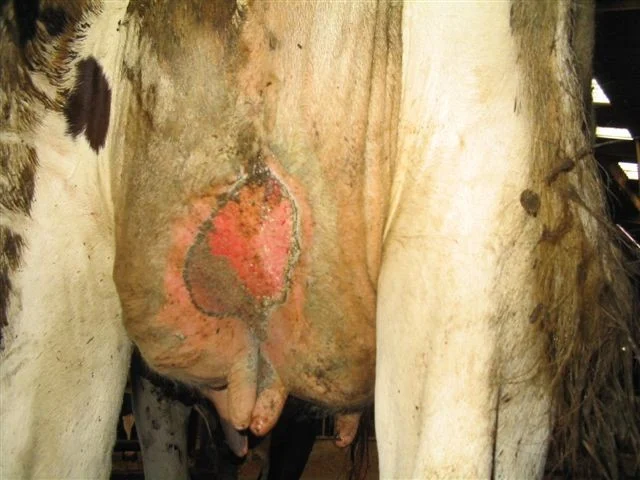
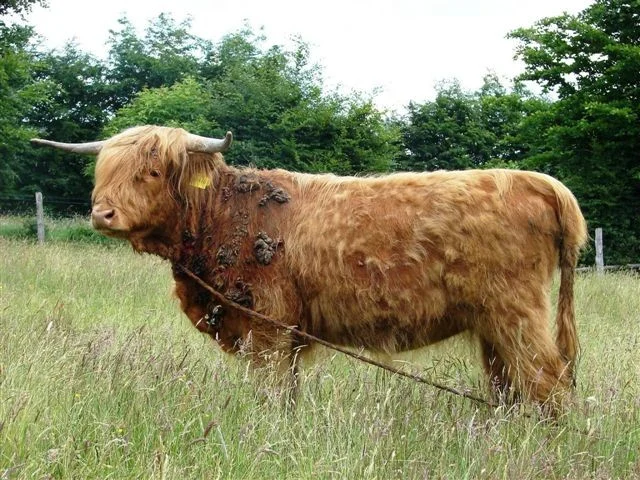
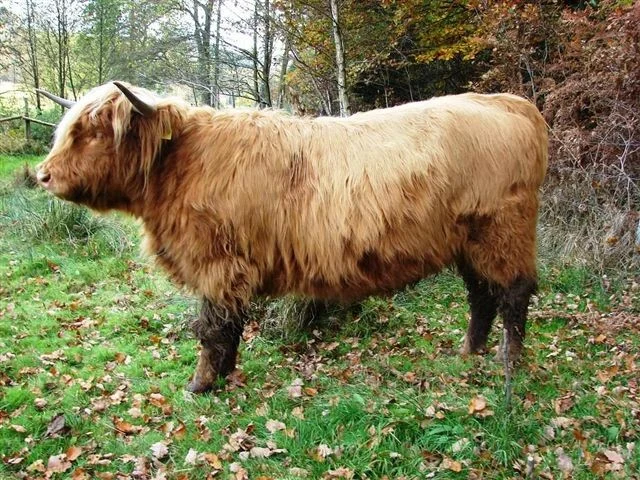
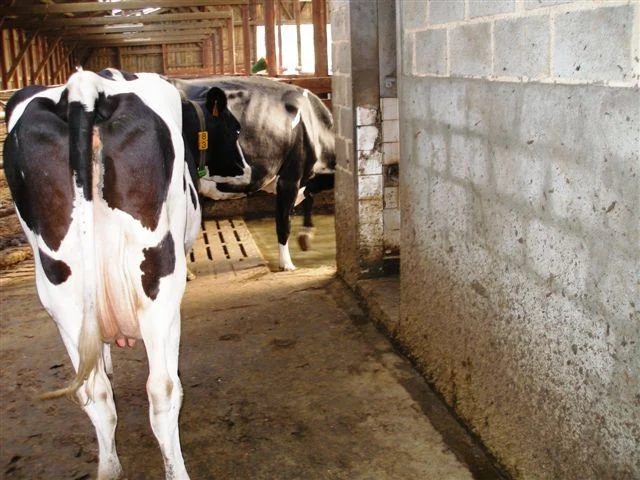
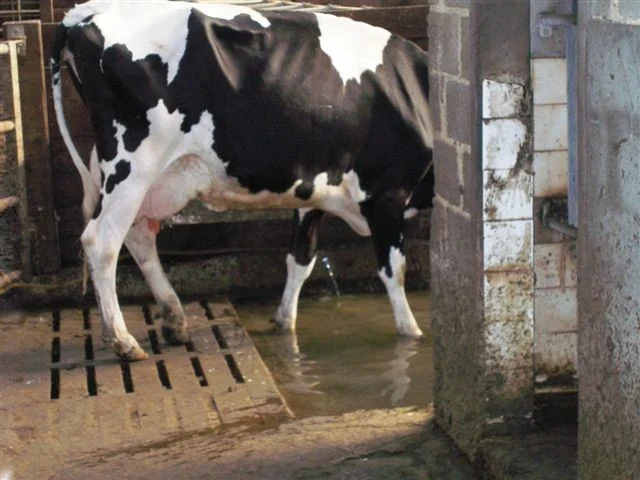
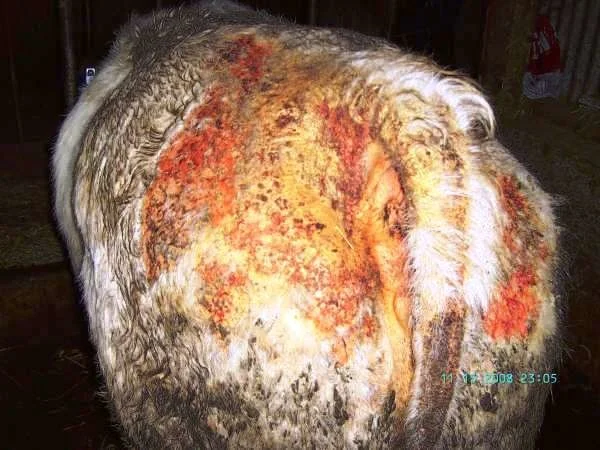
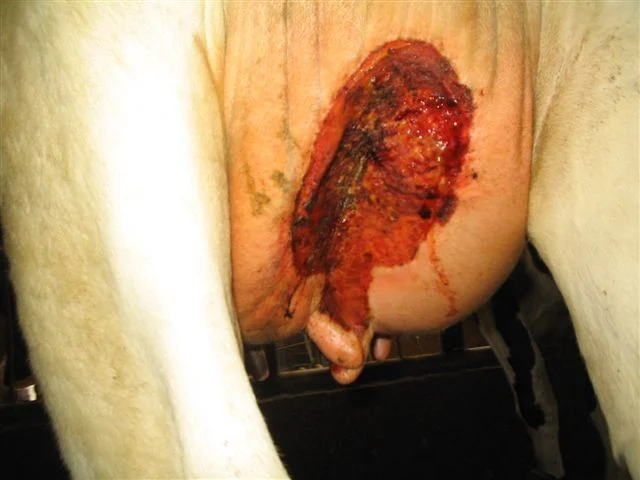
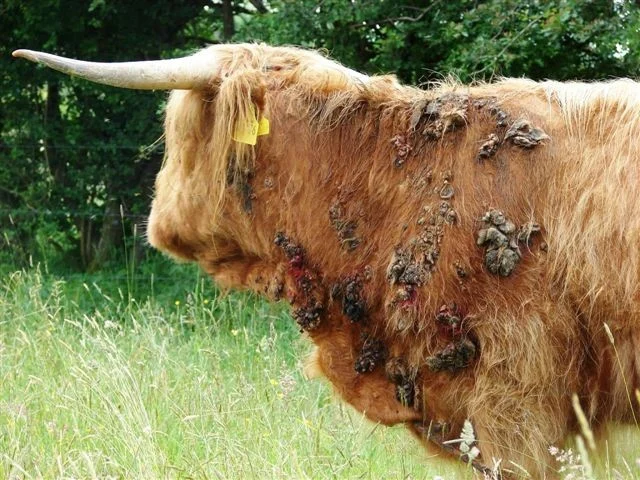
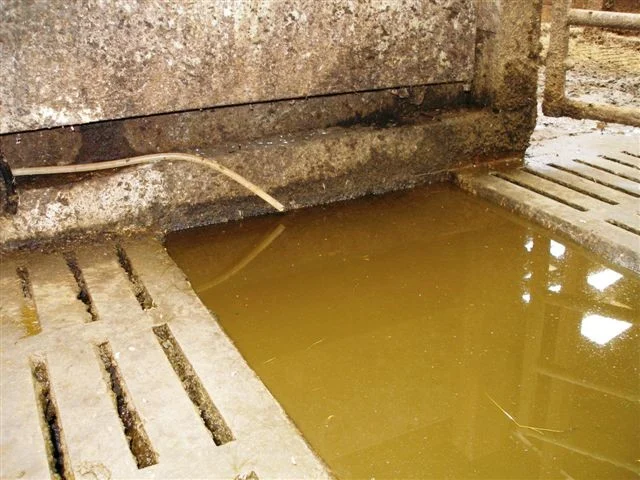
The following photographs illustrate veterinary and livestock application settings. These images are provided for illustrative purposes and do not constitute clinical evidence. The photographs are not accompanied by confirmed diagnoses, case histories, solution specifications, dosing instructions, treatment dates, control data or independent veterinary assessments.

Cattle Skin-Condition Photographs
Udder-Lesion Photographs
Highland Cattle Skin-Condition Photographs
Livestock Hoof-Bath Setup
How to Assess a Veterinary Hygiene Project

  1. Define the facility and hygiene objective: identify the animal species, population, housing system, veterinary area, contamination route and target process.
  2. Classify the intended use: determine whether the application concerns veterinary hygiene, drinking water, food or feed equipment, human hygiene or a veterinary medicinal claim.
  3. Review water and site conditions: assess pH, hardness, conductivity, turbidity, organic load, microbial quality, daily consumption and peak flow.
  4. Document pre-cleaning: define removal of manure, bedding, feed, grease and other visible contamination before disinfection.
  5. Set solution parameters: establish FAC, pH, solution age, application volume, contact time and monitoring method.
  6. Confirm compatibility and safety: review metals, plastics, coatings, ventilation, electrical equipment, animal exposure and operator protection.
  7. Validate and monitor: record solution quality, dosing, contact time, inspections, microbiological verification and corrective actions.

Performance Evidence and Compliance

Review the available microbiological testing of Envirolyte anolyte together with the tested concentration, organism, temperature, organic load and contact time. Laboratory performance under one set of conditions does not establish a veterinary treatment claim. Before implementation, review the applicable BPR and customer compliance requirements. Article 95 status, active-substance information or laboratory efficacy testing does not by itself authorise every veterinary, drinking-water or food-area application. Related environmental and livestock hygiene information is available on the farm biosecurity page, with dedicated information for dairy farming, pig farming and poultry farming.

Frequently Asked Questions

What is veterinary hygiene?

Veterinary hygiene covers controlled measures used to reduce contamination in animal housing, veterinary facilities, equipment, transport systems and related environments. It forms part of biosecurity but does not replace veterinary diagnosis, vaccination or treatment.

Is Envirolyte anolyte a veterinary medicine?

Anolyte generated for water, environmental or equipment hygiene should not automatically be described as a veterinary medicine. A product presented for treating or preventing an animal disease requires the applicable veterinary medicinal authorisation and approved instructions.

Can anolyte replace vaccination, diagnosis or veterinary treatment?

No. Anolyte may support authorised hygiene and biosecurity procedures, but it does not replace vaccination programmes, diagnostic testing, prescribed medicines or professional veterinary care.

Can anolyte be applied directly to animals?

Direct application should only be considered where the exact product, formulation, indication, animal species and procedure are specifically authorised. Veterinary oversight, skin compatibility and residue or withdrawal requirements may also apply.

Can one anolyte concentration be used for every veterinary hygiene application?

No. Drinking water, animal housing, equipment, dairy areas and direct animal hygiene have different regulatory and technical requirements. Concentration, pH, application volume, contact time and monitoring must be established separately.

Can anolyte be used in animal drinking water?

It may be evaluated for controlled drinking-water treatment where the intended use is authorised. The system must be based on water analysis, animal species, daily demand, dosing control, target residual, palatability and routine verification.

Must livestock surfaces be cleaned before disinfection?

Yes, unless a specifically validated combined procedure states otherwise. Manure, bedding, feed residue, soil and other organic matter can prevent the disinfectant from reaching the surface and can increase disinfectant demand.

What information is needed to assess a veterinary hygiene project?

A preliminary assessment normally requires the facility type, animal species and population, intended application, water analysis, daily and peak water demand, current cleaning programme, target microorganisms, available utilities and country-specific regulatory requirements.

Discuss a Veterinary Hygiene Project

Provide the facility type, animal species, population, water analysis, intended hygiene application, current cleaning procedure, required capacity and country of installation so that the system and compliance requirements can be assessed.

  • Products
  • Technology
  • Performance
  • Applications