
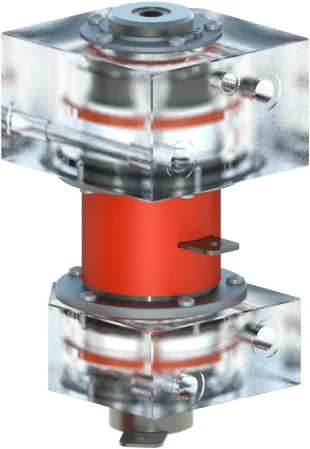
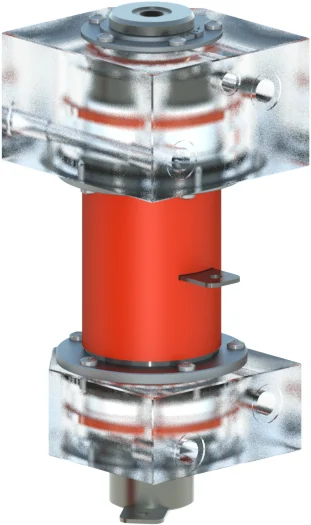
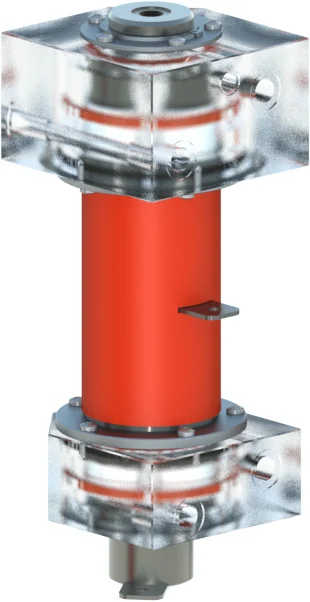
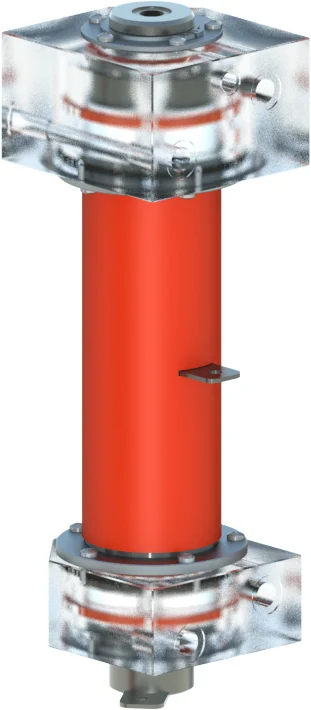
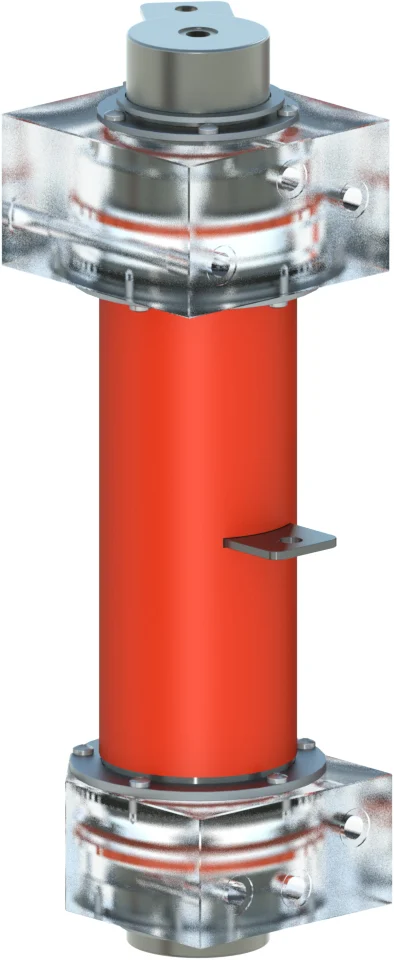
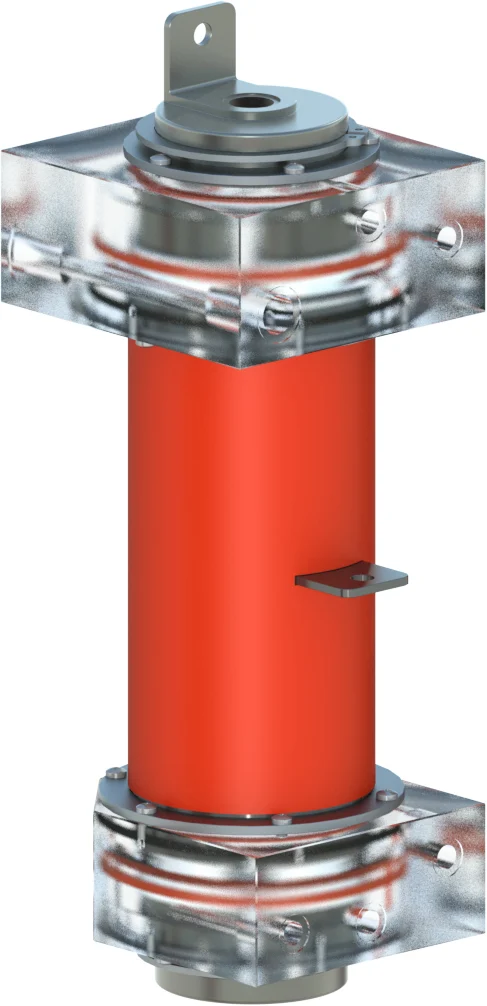
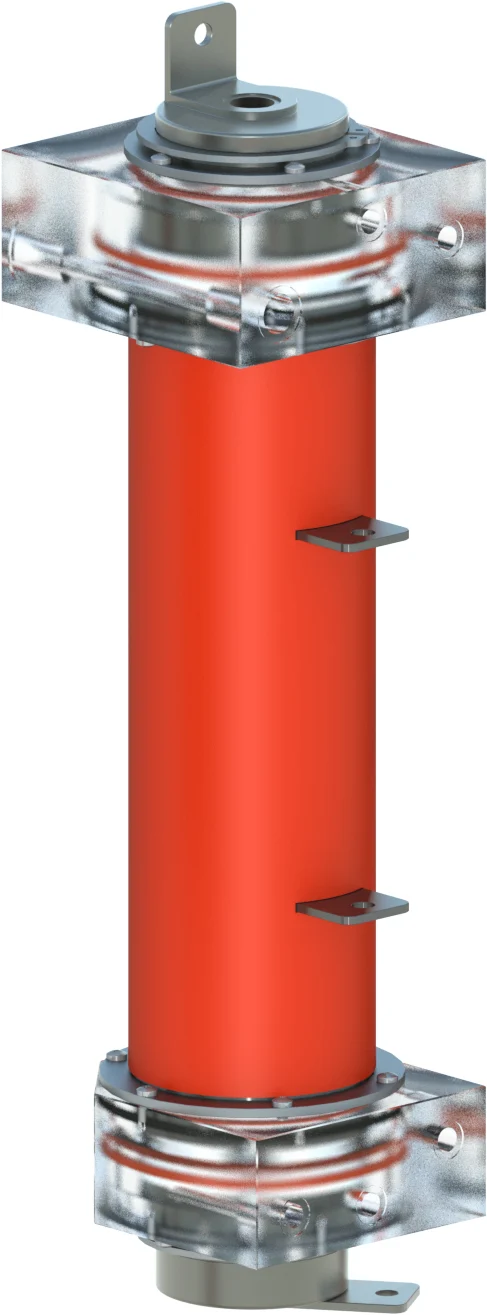
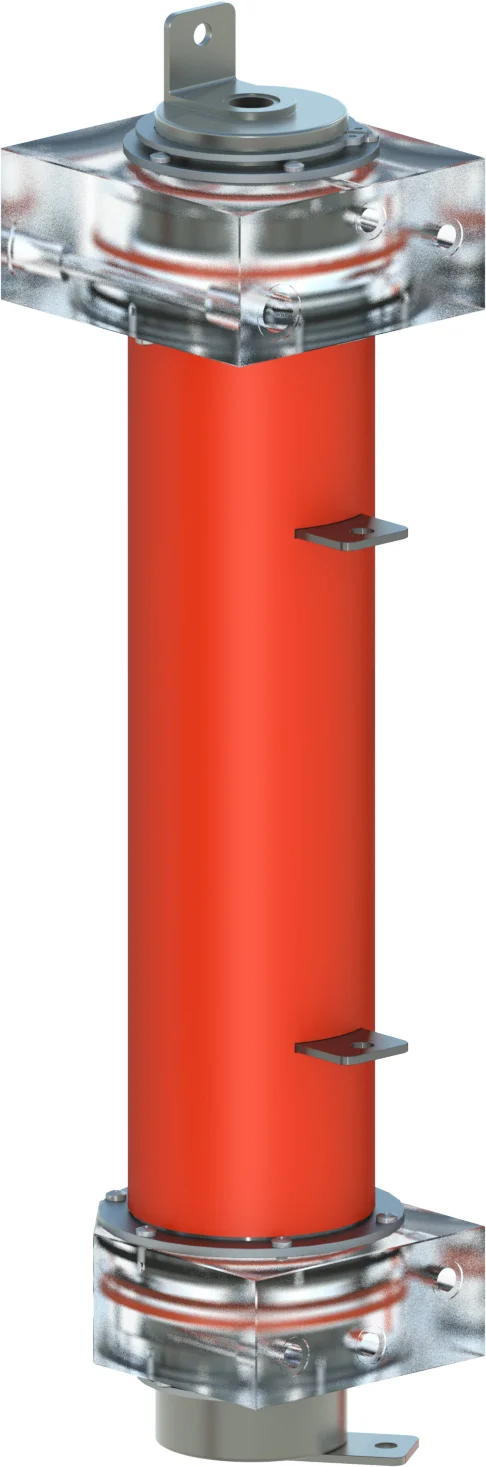
Envirolyte electrolysis cells are diaphragmatic electrolyzers used in on-site systems that generate electrochemically activated Anolyte and Catholyte from water, salt and electricity. The product range supports generator configurations for water treatment, hygiene and industrial applications where controlled solution parameters and reliable production capacity are required.
The current range includes ANK, ANE and HD cell types with indicative output capacities from approximately 20 L/h to 6000 L/h. The appropriate model depends on the required free available chlorine concentration, pH, oxidation-reduction potential (ORP), water quality, flow rate and generator configuration.
This page provides a model-by-model overview of the available cells. For a technical explanation of the separated anodic and cathodic chambers, see Envirolyte diaphragmatic cell technology, electrochemical activation and electrolysed water solutions.
Diaphragmatic Electrolysis Cell Technology
Envirolyte cells use a diaphragm to separate the anodic and cathodic chambers. This arrangement allows oxidising Anolyte and alkaline Catholyte streams to be generated separately instead of immediately mixing the products of the two electrode reactions.
Cell selection should be treated as part of the complete generator design. Individual output depends on the required active chlorine concentration and the target pH and ORP of the generated solution, as well as source-water characteristics, salt solution, hydraulic conditions and operating settings.
Electrolysis Cell Types and Indicative Output Capacities
The capacities below are indicative rather than guaranteed project outputs and should be confirmed for the intended operating conditions.
| Cell model | Indicative output |
|---|---|
| R-20 | Approximately 20 L/h |
| RT-40 | Approximately 40 L/h |
| RT-90 | Approximately 90 L/h |
| RT-120 | Approximately 120 L/h |
| RT-200 | Approximately 200 L/h |
| RT-300 | Approximately 300 L/h |
| RT-400S | Approximately 400 L/h |
| RT-600S | Approximately 600 L/h |
| RT-1000S | Approximately 1000 L/h |
| RT-1200S | Approximately 1200 L/h |
| Cell model | Indicative output |
|---|---|
| RT-40ANE | Approximately 20 L/h |
| RT-60ANE | Approximately 40 L/h |
| RT-90ANE | Approximately 90 L/h |
| RT-120ANE | Approximately 120 L/h |
| RT-200ANE | Approximately 200 L/h |
| RT-300ANE | Approximately 300 L/h |
| RT-400S ANE | Approximately 400 L/h |
| RT-600S ANE | Approximately 600 L/h |
| RT-1000S ANE | Approximately 1000 L/h |
| RT-1200S ANE | Approximately 1200 L/h |
| RT-2000ANE | Approximately 2000 L/h |
| RT-4000ANE | Approximately 4000 L/h |
| RT-6000ANE | Approximately 6000 L/h |
ANK Electrolysis Cells
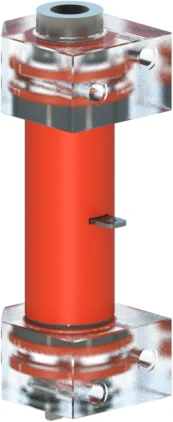
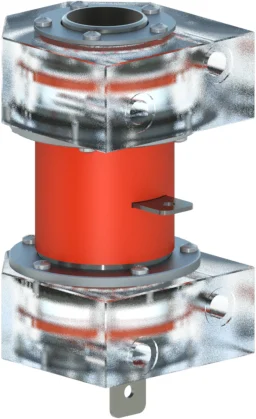
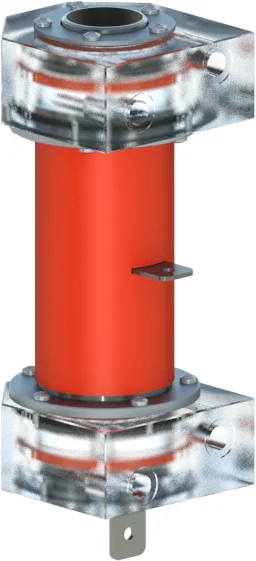
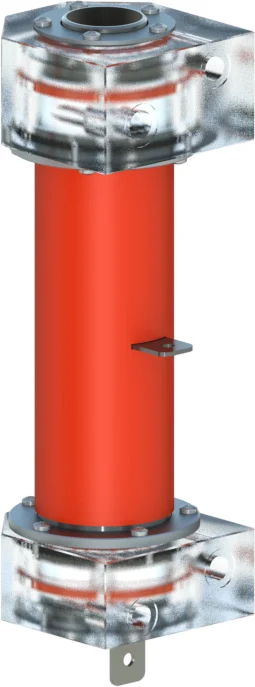
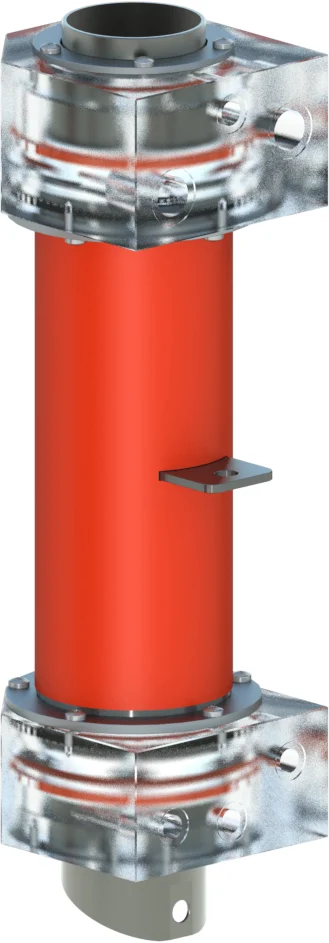
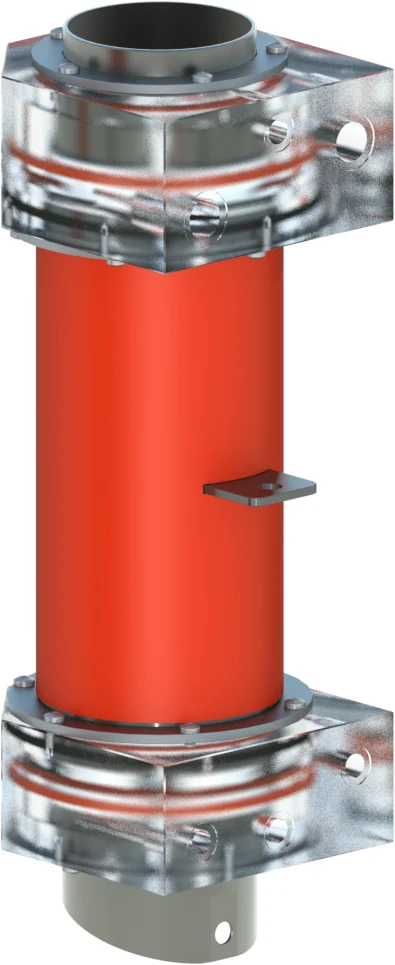
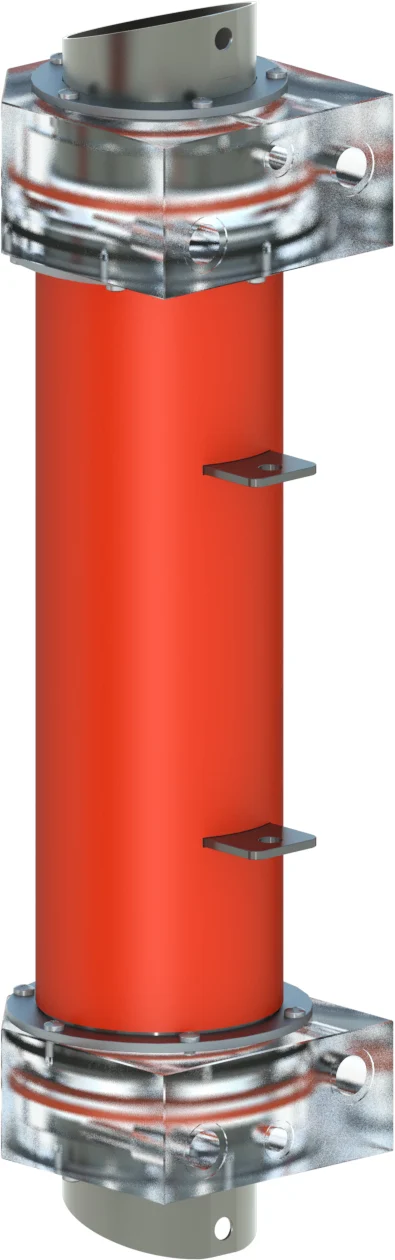
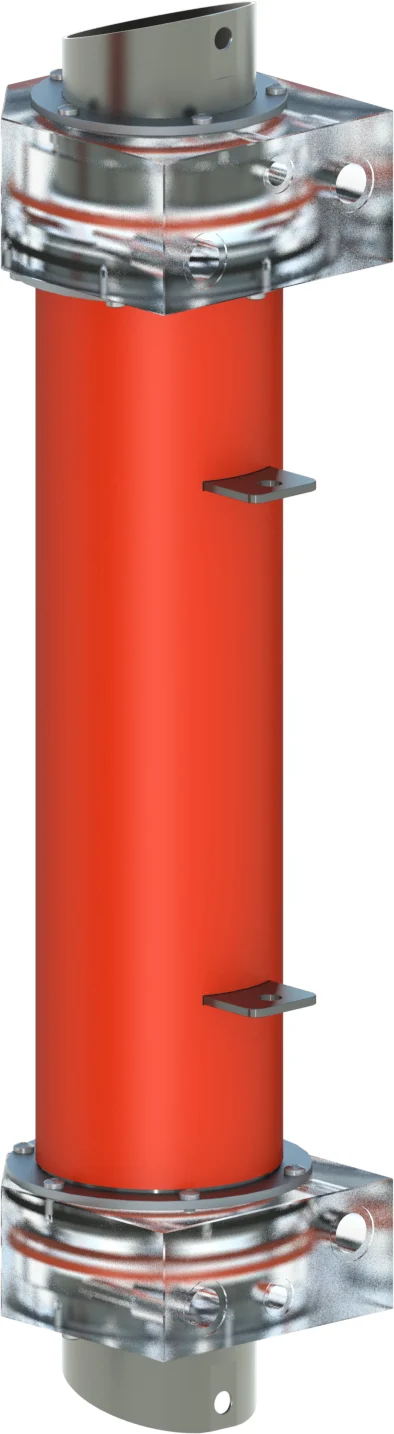
ANK cell types cover indicative capacities from approximately 20 L/h to 1200 L/h. The models are used across different Envirolyte generator configurations depending on the required production rate and solution parameters.


ANE and HD Electrolysis Cells
ANE and HD cell types extend the range from approximately 20 L/h to 6000 L/h. Higher-capacity models are intended for larger generator platforms and industrial installations where project-specific hydraulic and electrical design is required.
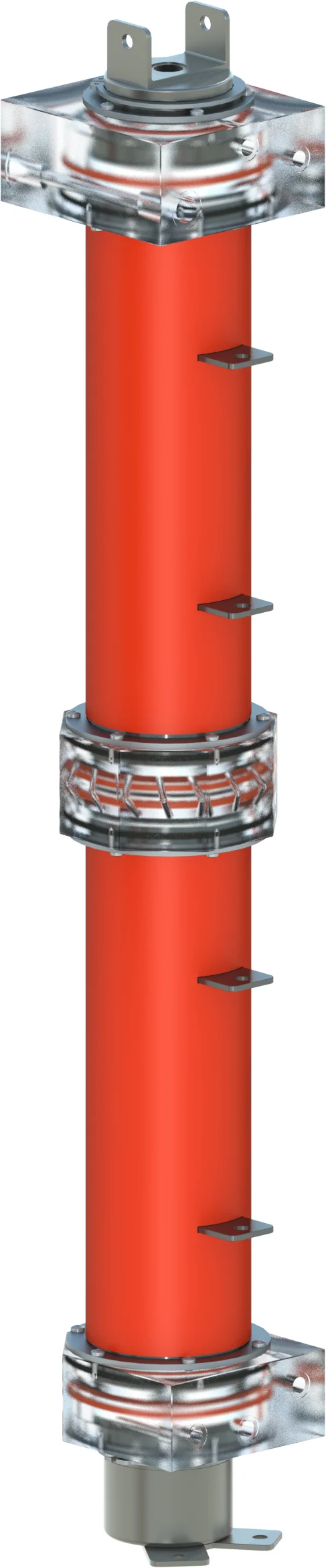

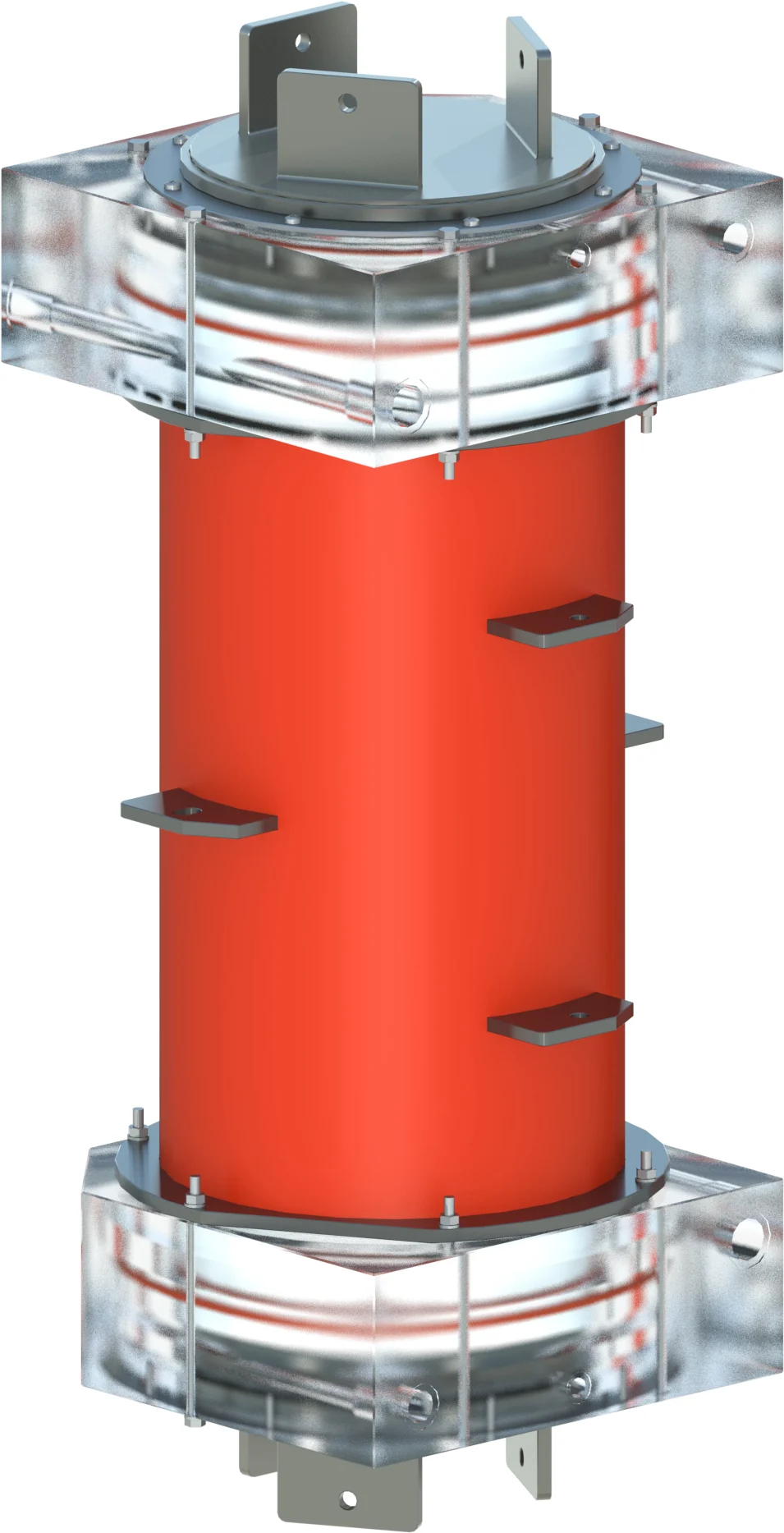
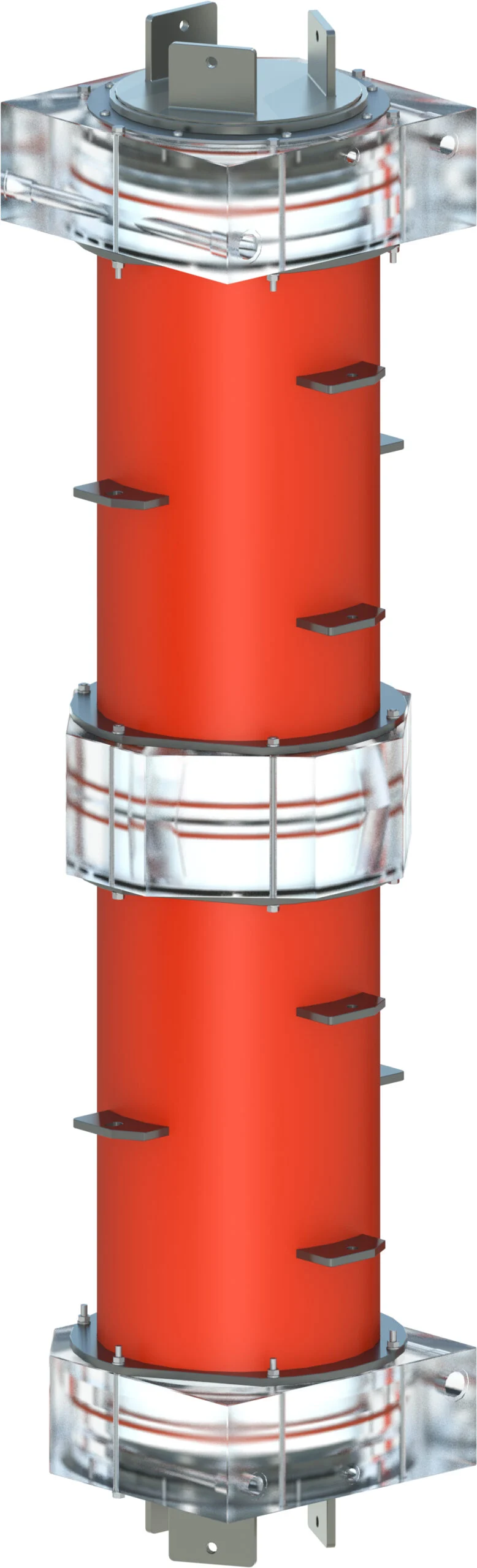
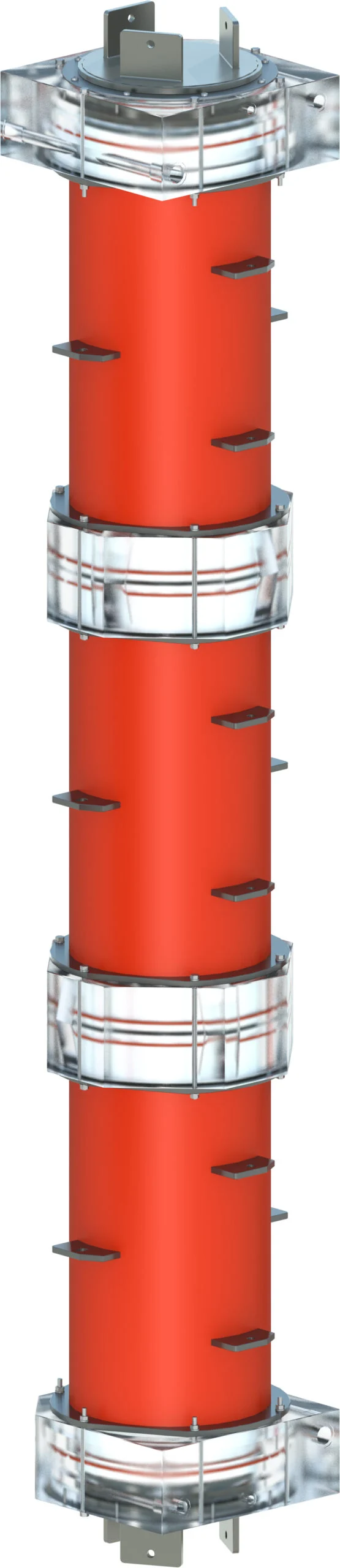
Selecting a Cell for an Envirolyte Generator
The cell is one component of the complete on-site generation system. Selection should consider the required daily production volume, free available chlorine concentration, pH and ORP, source-water quality, salt consumption, dosing method, available installation space and whether a useful Catholyte stream is required.
Standard cell configurations are used in ELA Anolyte Generators. Projects focused on lower salt consumption may require ANW Anolyte Generators, while higher free available chlorine concentrations may require HD Anolyte Generators. Applications where alkaline Catholyte is the main required output should be evaluated with CG Catholyte Generators.
Frequently Asked Questions
It is a diaphragmatic electrolyzer used in Envirolyte equipment to generate separated Anolyte and Catholyte streams through electrochemical activation of a salt solution.
The published range on this page extends from approximately 20 L/h to 1200 L/h for ANK cell types and from approximately 20 L/h to 6000 L/h for ANE and HD cell types.
No. The listed figures are indicative. Actual output depends on the required active chlorine concentration, pH, ORP, water quality, salt solution, flow conditions and generator configuration.
The model should be selected as part of the complete generator design after reviewing the required solution parameters, production volume, water analysis, dosing requirements and application conditions.
Request Electrolysis Cell Selection Support
Envirolyte can review the required capacity, active chlorine concentration, pH, ORP, water quality and generator configuration for your project.