Supported by Enterprise Estonia Development program

HomeOn-Site Disinfection Applications for Water Treatment and Process HygieneFood Processing Sanitation with On-Site Electrolyzed Water

Food Processing Sanitation with On-Site Electrolyzed Water

Envirolyte systems generate anolyte on site for controlled food-processing hygiene applications. Depending on the validated process and local requirements, the solution can be evaluated for compatible surfaces and equipment, process-water systems, ice-machine water lines, and selected food-contact uses.

Anolyte is an oxidizing electrolyzed water solution. Its active chemistry and performance depend on generator settings and operating conditions, including free available chlorine, pH, contact time, temperature, organic load, application method, and the material being treated. It should not be described as chemical-free or as universally suitable for every food or surface.

Review the electrochemical activation process, microbiological testing information, and approvals and compliance information when defining a project-specific hygiene program.

Food-Processing Hygiene Challenges

Food-processing facilities must control contamination and spoilage across raw materials, water, equipment, utensils, product-contact surfaces, floors, personnel practices, and the surrounding environment. A sanitizer is one part of a documented hygiene program and does not replace effective cleaning, process controls, monitoring, or corrective action.

On-site generation can reduce reliance on transported ready-to-use disinfectant, but the generated solution still requires controlled storage, dosing, handling, verification, and disposal appropriate to the installation.
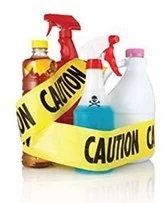
Cleaning-product containers wrapped with caution tape
Chemical storage and handling remain important considerations in sanitation programs.

How Anolyte Can Be Integrated into Food Processing

Envirolyte equipment produces anolyte from water, salt, and electricity close to the point of use. The application method may include spraying, circulation, immersion, controlled dosing into water systems, or integration with a validated cleaning-in-place program.

Application areas for technical evaluation

  • Food-production and preparation equipment and compatible work surfaces.
  • Utensils, floors, glass, mirrors, stainless steel, and other materials after compatibility review.
  • Process-water systems and ice-machine water lines where the intended use is permitted.
  • Fruit and vegetable handling, produce spraying, washing, or rinsing where the procedure is authorized and validated.
  • Fish, poultry, and meat processing steps where concentration, contact time, application method, and post-treatment requirements are defined.

Direct food contact, hand-hygiene use, and claims for a specific microorganism or shelf-life outcome require separate regulatory and technical confirmation. No application should be inferred beyond the authorized use and the validated site procedure.

Operational Parameters That Must Be Validated

The operating specification should be established for the particular product, line, hygiene objective, jurisdiction, and Envirolyte system. The following factors should be documented before routine use.

Swipe horizontally to view the full table.

Food-processing sanitation validation factors
Factor Why it matters Project requirement
Intended use and regulatory status Surface treatment, process water, direct food contact, and hand use may be regulated differently. Confirm the exact authorized use, jurisdiction, labelling, rinse or drain requirements, and responsible approval route.
Hygiene objective The target microorganism, spoilage concern, and required reduction determine the validation method. Define measurable acceptance criteria and an appropriate microbiological verification plan.
Solution specification Free available chlorine, pH, temperature, and solution age influence active chemistry and performance. Set production, storage, dosing, monitoring, and alarm limits for the installation.
Contact conditions Concentration, contact time, coverage, flow, agitation, and application method affect treatment. Validate the complete procedure under representative production conditions.
Organic load and pre-cleaning Food soil and other organic matter can increase disinfectant demand and shield microorganisms. Define cleaning steps, soil limits, solution replacement criteria, and verification checks.
Material compatibility Metals, elastomers, plastics, coatings, sensors, and seals may respond differently. Review materials and confirm compatibility at the proposed concentration, temperature, and exposure frequency.
Post-treatment procedure Rinsing, draining, drying, and wastewater handling depend on the authorized use and process design. Document the required sequence and confirm readiness before production resumes.

Produce Reference Images

The page materials include a side-by-side photographic comparison of peaches described as sprayed with anolyte and untreated after three days of storage.
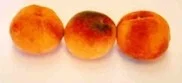
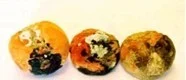
The photographs do not provide a test protocol, storage conditions, solution parameters, sample size, control procedure, or independent validation. They are application-specific reference images and should not be used as universal shelf-life evidence.

Food-Processing Installation Gallery

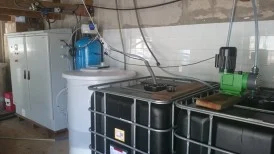
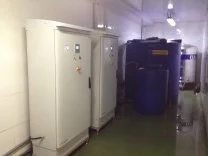
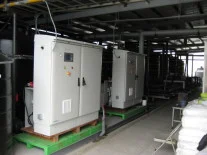
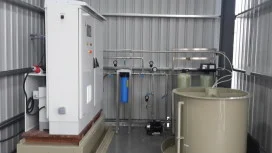
These photographs show Envirolyte generator installations at food-processing facilities. The locations are identified collectively as France, Taiwan, and Vietnam; no individual photograph is assigned to a specific country.
Food-Processing Project Videos

The videos cover a seafood-processing installation in Vietnam, an external presentation about electrolyzed water for the food industry, and an ELA-10000 installation identified as a slaughterhouse in Spain. The published titles do not provide complete operating parameters or validated performance results.

Seafood-processing installation in Vietnam

Electrolysed Water for the Food Industry

ELA-10000 installation at a slaughterhouse in Spain

Frequently Asked Questions

What is anolyte in food processing?

Anolyte is an oxidizing electrolyzed water solution generated on site from water, salt, and electricity. Its composition depends on the generator and operating conditions, so it must be produced, monitored, and applied to a defined specification.

Can anolyte be used directly on every food product?

No. Permitted uses depend on the jurisdiction, food product, solution specification, application method, contact time, and any rinse, drain, or residue requirements. The exact use must be confirmed and validated before implementation.

Does anolyte replace cleaning before disinfection?

No. Food soil and organic matter can reduce disinfectant performance and protect microorganisms. Effective cleaning and a validated sanitation procedure remain necessary.

Is one anolyte concentration suitable for every food-processing application?

No. The required solution specification and contact conditions depend on the hygiene objective, organic load, temperature, surface, process design, and regulatory conditions. Project-specific validation is required.

Do the peach photographs guarantee longer shelf life?

No. The photographs are application-specific reference images without a published protocol, sample size, operating parameters, or independent validation. They should not be interpreted as a guaranteed result.

Discuss a Food-Processing Hygiene Project

Provide the Envirolyte technical team with the processed products, line flow, surfaces and equipment, water quality, current cleaning and sanitation procedure, target microorganisms, operating schedule, proposed application points, and applicable regulatory requirements.

  • Products
  • Technology
  • Performance
  • Applications