
Envirolyte farm biosecurity and water disinfection systems generate anolyte on site for controlled hygiene applications in livestock buildings, animal drinking-water systems, equipment areas, dairy facilities and agricultural operations. The generated solution can be integrated into a documented programme for water hygiene, surface disinfection and equipment sanitation.
Anolyte is produced from conditioned water, sodium chloride and electricity and contains free available chlorine species, including hypochlorous acid under suitable operating conditions. Concentration, pH, contact time, application method and monitoring must be selected for the specific farm process rather than applied as one universal treatment.
Envirolyte equipment should support, not replace, farm biosecurity, physical cleaning, veterinary oversight, water testing and good animal-husbandry practices. Learn about electrochemical activation technology, review microbiological testing of anolyte, and check the applicable ECHA and BPR information before defining a treatment programme.
Farm Hygiene as Part of a Biosecurity Programme
Farm biosecurity is based on preventing the introduction and spread of infectious agents through animals, people, water, feed, vehicles, tools, equipment and contaminated surfaces. A disinfectant is only one component of this system.
Visible soil, manure, bedding, feed residue and other organic matter should be removed before disinfection because contamination can prevent the solution from reaching the surface and can increase disinfectant demand. Cleaning and disinfection procedures should define preparation, concentration, application volume, contact time, rinsing where required and verification.
Farming Environments and Hygiene Applications
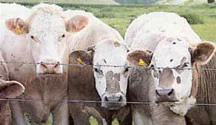
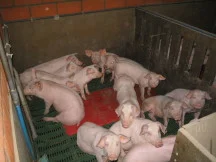
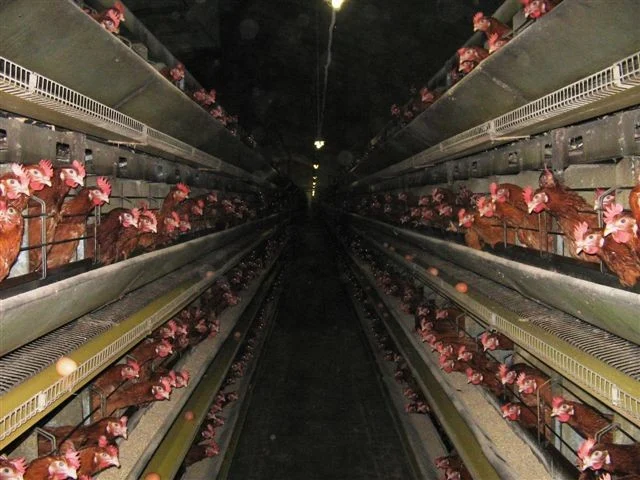
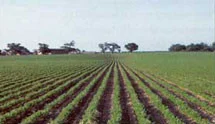
The following images illustrate livestock and agricultural environments in which water quality, equipment sanitation and environmental hygiene may form part of a broader biosecurity programme.
Potential Farm Hygiene Applications
The appropriate use of anolyte depends on the farm type, target hygiene objective, local regulations and process validation.
Scroll horizontally to view the complete table.
| Application area | Potential role of the Envirolyte system | Important requirements |
|---|---|---|
| Animal drinking-water systems | Controlled treatment of suitable source water, tanks, distribution pipes and drinking lines. | Water analysis, animal species, daily demand, line condition, dosing method, target residual, materials compatibility and verification of water quality. |
| Livestock housing and surfaces | Disinfection of compatible floors, walls, pens, stalls and other cleaned environmental surfaces. | Removal of manure and organic material, suitable concentration, complete coverage, contact time, ventilation, animal exclusion where required and surface compatibility. |
| Tools, equipment and vehicles | Sanitation of cleaned tools, movable equipment, transport crates, wheels and selected vehicle surfaces. | Separation of clean and dirty areas, physical cleaning, application procedure, corrosion review and prevention of recontamination. |
| Dairy and milking areas | Water hygiene and controlled sanitation of compatible milking areas, tanks, pipelines and external equipment surfaces. | Milk-contact regulations, validated cleaning procedure, organic load, detergent compatibility, rinsing requirements and verification of residues and microbiological performance. |
| Teat and udder hygiene | Only a specifically authorised product and procedure may be evaluated for pre- or post-milking hygiene. | Veterinary and biocidal authorisation, approved formulation, skin compatibility, contact time, residue requirements and dairy quality monitoring. |
| Feed-material and storage hygiene | Controlled sanitation of selected handling areas, conveyors, storage zones and compatible feed-processing equipment. | Feed type, moisture, water activity, application volume, uniform distribution and feed-safety requirements. See feed material decontamination. |
| Green fodder and silage | Anolyte may be evaluated as part of a validated preservation or hygiene-support process. | Crop type, moisture, dosage, distribution, fermentation profile, storage method, feed analysis and local feed regulations. See green fodder and silage preservation. |
| Irrigation and horticulture | Controlled treatment of suitable irrigation water, tanks, pipes, tools and cleaned growing-area surfaces. | Crop species, growth stage, source-water analysis, phytotoxicity testing, irrigation method, concentration, application frequency and local agricultural requirements. |
| Veterinary environmental hygiene | Water, equipment and environmental sanitation under a farm or veterinary hygiene programme. | The system must not be presented as a veterinary medicine. Any direct animal use requires authorised instructions and veterinary oversight. See veterinary hygiene applications. |
How an Envirolyte Farming System Works
A typical farm system combines an Envirolyte generator with water preparation, brine supply, solution storage, dosing or spraying equipment and appropriate process controls. The exact layout depends on whether the solution is used for water treatment, environmental sanitation, equipment hygiene or another validated process.- Application assessment: define the farm type, treatment objective, target area, operating schedule and applicable regulatory category.
- Water analysis: evaluate hardness, pH, conductivity, turbidity, organic load and microbiological quality of the incoming water.
- Water and brine preparation: provide filtration, pressure regulation, softening and sodium chloride brine according to the selected generator specification.
- On-site generation: produce anolyte under controlled electrical, hydraulic and solution-quality conditions.
- Storage or direct supply: transfer the solution to a compatible tank or directly to a controlled dosing or application system.
- Pre-cleaning: remove animals where required and eliminate manure, soil, feed, bedding, grease and other visible contamination before applying disinfectant.
- Controlled application: dose, spray, circulate or otherwise apply the solution at the validated concentration and application volume.
- Contact and completion: maintain the required wet contact time and follow the approved rinsing, drying, ventilation or re-entry procedure.
- Monitoring and verification: record solution parameters, dosing, contact time, water residuals, inspection results and microbiological verification where required.
Animal Drinking-Water Treatment
Water treatment should be designed around source-water quality, animal demand, storage volume and drinking-line hydraulics. A generator selected only by nominal output may be insufficient if peak consumption, long distribution lines, biofilm, organic demand or inadequate mixing are not considered. Dosing controls can use water flow and, where technically suitable, free available chlorine or another validated monitoring parameter. The target residual must be established for the animal species, water system and legal requirements of the installation country.Surface and Equipment Disinfection
Spraying disinfectant over dirty housing does not constitute an effective cleaning and disinfection programme. The procedure should define dry cleaning, washing, detergent use where needed, rinsing, inspection, disinfectant application, contact time and protection against recontamination. Materials compatibility should be reviewed for metals, seals, plastics, electrical equipment, concrete and coatings. Concentrated solution should not be allowed to collect in low points or reach animals, feed or sensitive equipment unless the procedure specifically permits it.Detailed Farming Application Pages
Dairy Farming
Water hygiene, milking areas, tanks, pipelines, equipment and animal-housing sanitation.Poultry Farming
Drinking-water lines, barns, equipment, transport crates and between-cycle hygiene.Pig Farming
Drinking systems, pens, farrowing areas, feeding equipment and batch-separation procedures.Veterinary Hygiene
Water, environmental surface and equipment hygiene applications requiring veterinary and regulatory review.Green Fodder and Silage
Project-specific evaluation of solution application, moisture, fermentation and storage conditions.Greenhouse and Horticulture
Irrigation-water, tanks, pipelines, tools and growing-area hygiene.System Selection and Process Validation
A farm project should be evaluated using the complete treatment process rather than a general assumption that one anolyte concentration or generator model suits every application.Scroll horizontally to view the complete table.
| Parameter | Why it matters | Information to provide |
|---|---|---|
| Farm and animal type | Water demand, contamination risks and permitted procedures vary between dairy, poultry, pig and other operations. | Animal species, production stage, housing system, population and batch schedule. |
| Intended application | Water treatment, surface disinfection, equipment hygiene and feed-area use have different requirements. | Exact application point, target area, frequency and required regulatory claim. |
| Water demand and analysis | Water quality and peak flow affect generator selection, dosing demand and operating stability. | Minimum, average and peak flow plus pH, hardness, conductivity, turbidity and microbiological results. |
| Organic load and pre-cleaning | Manure, soil, bedding, feed and grease can interfere with disinfection. | Current cleaning procedure, detergents, rinse stage and inspection method. |
| Anolyte specification | Performance and compatibility depend on solution concentration, pH, temperature and age. | Required FAC, pH, production schedule, storage time and measurement method. |
| Application method | Dosing, circulation, spraying and fogging require different equipment and safety controls. | Pumps, nozzles, pressure, flow, coverage, ventilation and automation requirements. |
| Contact time | The treated surface or water must remain under defined conditions long enough to meet the validated objective. | Minimum wet contact time, process interruptions and completion procedure. |
| Materials compatibility | Metals, plastics, coatings, seals and electrical equipment may respond differently to repeated exposure. | Surface and equipment materials, existing corrosion and required compatibility testing. |
| Regulatory status | Permitted use varies by country and may involve veterinary hygiene, food and feed or drinking-water rules. | Country, intended claim, product category, organic certification and customer requirements. |
| Verification | System operation must be demonstrated rather than assumed. | Sampling plan, chemical measurements, microbiological tests, acceptance limits and corrective actions. |
Performance Evidence and Regulatory Context
Envirolyte publishes laboratory information concerning bactericidal, yeasticidal and virucidal activity of anolyte. These results apply to the tested concentration, dilution, temperature, organic load, contact time and analytical method and should not be converted into an unconditional farming performance guarantee.
Review the microbiological testing section for test conditions and the ECHA and BPR page for information concerning PT3 veterinary hygiene, PT4 food and feed areas and PT5 drinking water. For certified agricultural production, also review the organic status of anolyte and confirm the current certificate scope with the relevant certification body.
Suitable Envirolyte Generator Families
Farm projects can be evaluated using equipment from the ELA anolyte generator range or the ANW anolyte generator range. Model selection depends on required solution output, FAC concentration, water quality, operating hours, storage strategy, dosing method and redundancy requirements.
The generator is only one component of the complete installation. Water treatment, brine preparation, tanks, pumps, sensors, distribution equipment, electrical controls and monitoring should be included in the project scope.
Frequently Asked Questions
Can anolyte replace a complete farm biosecurity programme?
No. It may support water and environmental hygiene, but biosecurity also requires control of animals, visitors, vehicles, feed, pests, equipment movement, waste, cleaning, vaccination and veterinary procedures.
Can anolyte be applied without cleaning the surface first?
Not as a general rule. Manure, soil, feed residue and other organic material should be removed before disinfection unless a specifically validated combined cleaning-disinfection procedure states otherwise.
Can the system be used to treat animal diseases?
No. Envirolyte hygiene systems should not be presented as treatments for animal disease. Direct animal-health applications require an appropriately authorised veterinary product, approved indication, defined instructions and veterinary oversight.
Can one concentration be used for drinking water, surfaces and equipment?
No. Required concentration, pH, application volume, contact time and monitoring differ between water systems, housing, equipment, dairy areas and feed-related applications.
Does on-site generation eliminate chemical safety requirements?
No. On-site generation may reduce dependence on transported concentrated disinfectants, but operators still require training, operating procedures, compatible materials, ventilation where needed, safe salt and solution handling, maintenance and personal protective equipment.
Can anolyte be used in certified organic farming?
Potential use depends on the country, certification scheme, application and current certificate scope. The farm should obtain written confirmation from its certification body before implementation.
Discuss a Farm Biosecurity and Water Disinfection Project
Provide the Envirolyte technical team with the farm type, animal population, water analysis, water consumption, current cleaning programme, intended application, available utilities and applicable regulatory requirements.