
Integrated Hospitality Hygiene
An end-to-end hospitality hygiene approach covers incoming water, hot and cold distribution systems, housekeeping, kitchens, restaurants, conference areas, laundry, pools, changing rooms, irrigation and selected effluent applications. The objective is to select an appropriate cleaning or treatment method for each process while reducing unnecessary transport, storage and handling of conventional products where performance has been verified.
Envirolyte equipment can generate two functional streams. Anolyte is the oxidising stream used or evaluated for microbial-control applications. Catholyte is the alkaline reducing stream that may support washing, cleaning and degreasing. Neither solution should be described as universally harmless, chemical-free or suitable for ingestion.
Current Envirolyte technical information lists water at 99.69% for selected acidic and neutral anolyte regimes. This percentage is specific to those regimes and does not establish approval for ingestion, direct food treatment, environmental discharge or unrestricted hospitality use.
Hospitality Application Areas
Hot and Cold Building Water Systems
On-site generated anolyte can be evaluated for controlled dosing into incoming, stored, recirculating, hot or cold water systems. A hotel water hygiene programme should address system mapping, temperature, stagnation, water age, biofilm, flushing, residual disinfectant, pH, sampling and corrective actions. Review the available Legionella prevention evidence before defining operating targets or performance claims.
Housekeeping and Guest Areas
Anolyte may be evaluated for validated surface-disinfection procedures and catholyte for alkaline cleaning of compatible surfaces. Guest rooms, bathrooms, dining rooms, conference facilities, floors, walls, equipment and high-touch points require documented concentrations, contact times, application methods and staff procedures.
Laundry
Catholyte may complement suitable washing processes, while anolyte may be evaluated for a validated disinfection stage. Any reduction in detergent, stain remover or bleaching product depends on the textile, soil load, water chemistry, temperature, wash programme, equipment compatibility and required hygiene outcome.
Kitchens and Food-Preparation Areas
Potential applications include cleaning and degreasing compatible surfaces, utensils, preparation areas, appliances and grill racks. Anolyte may be evaluated for food-contact surface disinfection where permitted. Direct food treatment, hand-hygiene use and no-rinse procedures require confirmation of the solution specification, concentration, contact time, rinse requirements and local regulatory authorisation.
Pools, Spas, Gyms and Changing Areas
Anolyte may be assessed as part of a controlled treatment programme for suitable swimming pools, hot tubs, spa facilities, changing rooms, gyms, play areas and toys. It should not be presented as a universal replacement for chlorine or alcohol-based hand rubs. The final treatment programme must meet the applicable water-quality and hygiene requirements.
Other Site-Specific Applications
- Filter flushing where the filter media and system materials are compatible.
- Cleaning and degreasing accessible air-conditioning components under an approved maintenance procedure.
- Control of odours and hygiene in refuse and waste-handling areas.
- Management of moss or fungal growth on suitable surfaces after site assessment.
- Cleaning and degreasing of suitable kitchen and outdoor cooking equipment.
- Irrigation-water treatment where plant compatibility and water-quality requirements have been assessed.
- Effluent-treatment applications where discharge and environmental requirements have been reviewed.
Potential Operational Benefits
- Fresh active solutions can be generated close to the point of use.
- On-site generation may reduce the transport, receipt and storage of selected concentrated disinfectant products.
- Automated generation, storage, dosing and monitoring can be integrated after an engineering assessment.
- Validated workflows may reduce the number of separately purchased cleaning products.
- Reduced stock handling may save staff time and limit losses or unauthorised use.
- Water treatment, housekeeping, laundry and selected process applications can be coordinated within one hygiene programme.
- Staff training, standard operating procedures and routine monitoring can improve process consistency.
Actual chemical consumption, cost, staff time, residue, corrosion risk, microbial performance and environmental impact must be measured against an agreed baseline. Expressions such as “no increased cost”, “chemical-free environment”, “no residue” and “hospital-level hygiene” should not be used as general guarantees.
Hotel Installations
Installations Reported in South Africa and Italy
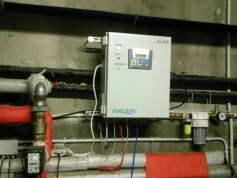
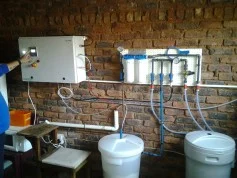
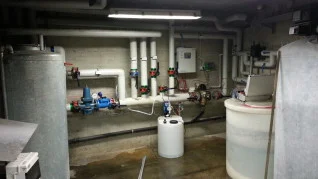
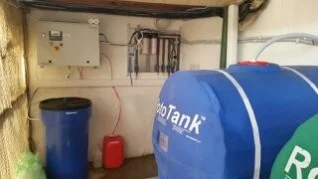
The following photographs are presented collectively as Envirolyte installations in hotels in South Africa and Italy. Individual properties, countries, equipment models and applications are not mapped to specific images, so neutral captions are used pending verification.
Hotel UTHGRA Los Cocos, Córdoba Province, Argentina
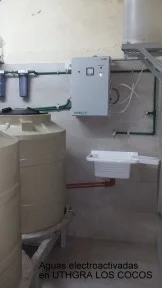
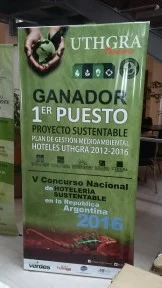
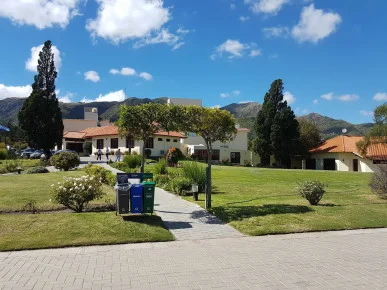
Project information identifies an Envirolyte EL-400 anolyte generator at Hotel UTHGRA Los Cocos, described as a 100-room hotel in Córdoba Province. Reported applications included potable-water treatment, hygiene procedures in kitchens, bathrooms, guest rooms and the dining room, irrigation-water treatment and effluent treatment. A sustainability-project award was also reported in 2016. The model, property capacity, treatment duties, award title and current operating status should be confirmed against project records.

Testing, Monitoring and Compliance
Microbiological results should be presented together with the tested solution, active concentration, organism, contact time, temperature and test standard. Review the available microbiological testing information before selecting evidence for a hospitality procedure.
Water-system applications require defined sampling points, residual targets, alarms, trend review, flushing procedures and corrective actions. Regulatory status must be checked for the country, active substance and intended use through the approvals and compliance information.